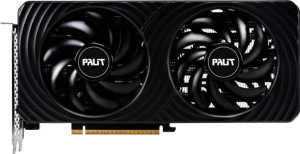
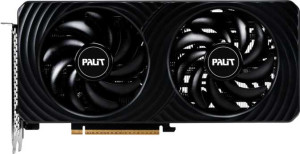
The most decisive performance gap between these two cards lies in their shader and compute resources. The RTX 5060 Ti Dual OC 8GB packs 4,608 shading units and 144 TMUs against the RTX 5060 Dual's 3,840 shading units and 120 TMUs — a 20% advantage in raw parallel processing capacity. This translates directly into the floating-point performance figures: 24.26 TFLOPS versus 19.18 TFLOPS, a roughly 26% lead for the Ti. In practice, that gap shows up in compute-heavy workloads like ray tracing, AI-accelerated features, and shader-intensive scenes, where the Ti variant will sustain noticeably higher frame rates under load.
Clock speeds reinforce this picture. The Ti's base and boost clocks (2,407 / 2,632 MHz) run meaningfully higher than the standard 5060's (2,280 / 2,497 MHz), contributing to its superior texture throughput of 379 GTexels/s compared to 299.6 GTexels/s. Both cards share the same 48 ROPs and identical 1,750 MHz memory speed, so pixel fill rate is nearly tied (126.3 vs. 119.9 GPixel/s) and memory bandwidth is equal — meaning neither card has a rasterization bottleneck advantage at the output stage, but the Ti still leads everywhere upstream.
Overall, the RTX 5060 Ti Dual OC 8GB holds a clear performance edge in this group. Its ~26% lead in compute throughput and ~26% advantage in texture rate are not marginal differences — they represent a meaningful step up for demanding rendering workloads. The standard RTX 5060 Dual remains competitive for lighter use cases, but buyers prioritizing raw GPU horsepower should consider the Ti the stronger option based solely on these specs.