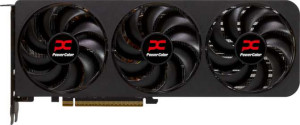
From a software and API standpoint, these two cards are functionally identical. Both support DirectX 12, OpenGL 4.6, and OpenCL 2.2, covering the full spectrum of modern gaming and GPU-compute compatibility. Ray tracing support is present on both, as is FSR4 — AMD's latest upscaling generation — which allows compatible titles to render at lower resolutions and reconstruct a sharper image with minimal quality loss, effectively boosting frame rates at no hardware cost. Neither card supports DLSS, which is expected given these are AMD GPUs, and XeSS (XMX) is also absent on both. AMD SAM (Smart Access Memory) is supported by each, enabling compatible AMD CPU and motherboard combinations to grant the GPU access to the full VRAM pool, which can yield measurable performance gains in select titles.
The sole differentiator in this group is aesthetic: the Hellhound RX 9070 includes RGB lighting, while the Reaper RX 9070 XT does not. This has no bearing on gaming performance or feature compatibility, but it is a meaningful distinction for builders who prioritize a lit, themed system build. Conversely, users who prefer a cleaner or more understated look may actually find the Reaper XT's absence of RGB an advantage.
For this group, the two cards are essentially tied on every technically meaningful specification. The Hellhound holds a minor edge for RGB enthusiasts, but this is purely a matter of personal preference — no functional or performance conclusion can be drawn from it.