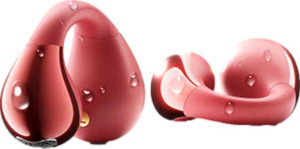
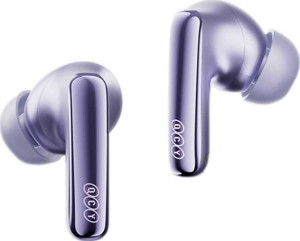
Noise isolation is where these two earbuds diverge most sharply. The QCY MeloBuds N70 brings both Active Noise Cancellation (ANC) and passive noise reduction to the table — a meaningful combination. ANC uses microphones to electronically cancel out ambient sound, while passive noise reduction is a byproduct of the in-ear seal physically blocking external noise. Together, they make the N70 a genuinely capable option for commuters, open offices, or anyone trying to tune out a noisy environment. The QCY Crossky C30S, on the other hand, has neither — which is expected given its open-ear design, but still represents a real limitation for users who care about immersive, distraction-free listening.
Raw frequency response is identical across both models, each covering the standard 20 Hz – 20,000 Hz range, so neither has a documented edge in terms of audible spectrum on paper. Where the C30S reclaims some ground is with spatial audio support — a feature the N70 lacks. Spatial audio creates a more three-dimensional, enveloping soundstage, which can noticeably improve the experience with compatible content like movies, gaming, and certain music mixes. It does not affect all content equally, but for users who consume spatial-audio-enabled media, it adds genuine value.
On balance, the N70 holds the stronger overall edge in sound quality for focused listening, thanks to its dual-layer noise isolation. The C30S counters with spatial audio support, which is a worthwhile differentiator for the right use case — but it cannot substitute for the noise management that the N70 provides. Users who prioritize immersion and concentration should lean toward the N70; those who value a more open, spatially aware soundstage may find the C30S the more compelling choice.