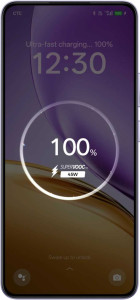
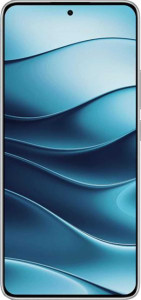
At the foundational level, both phones share the same OLED/AMOLED panel type, a 6.67″ screen size, a 1080 x 2400 px resolution, and a 120Hz refresh rate — making them virtually identical where it matters most for everyday smoothness and color quality. The pixel density gap is negligible: 395 ppi on the Redmi Note 14 5G versus 386 ppi on the Realme 14T 5G, a 9 ppi difference that no human eye will distinguish at normal viewing distances.
Where the Xiaomi pulls meaningfully ahead is in the surrounding feature set. A 240Hz touch sampling rate compared to the Realme's 180Hz translates to more responsive input detection — a real advantage for gamers or fast typists. The Redmi Note 14 5G also supports HDR10 and HDR10+, enabling richer dynamic range when streaming compatible content, while the Realme 14T 5G supports neither. Add to that an Always-On Display for glanceable notifications and branded damage-resistant glass for physical durability, and the Xiaomi is offering a noticeably more complete display package.
The one spec that tips in the Realme's favor is its higher contrast ratio of 6,000,000:1 versus 5,000,000:1 on the Redmi — theoretically deeper blacks in absolute terms, though both figures are already well beyond what is perceptible under normal conditions. That single point is not enough to shift the overall verdict: the Xiaomi Redmi Note 14 5G holds a clear display edge, driven by its higher touch sampling rate, HDR support, Always-On Display, and screen protection.