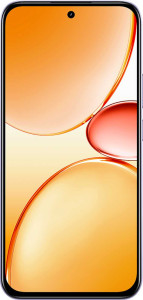
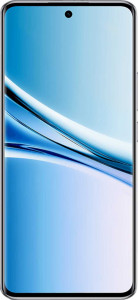
Panel technology is where these two devices diverge most significantly. The Redmi Note 15 5G uses an OLED/AMOLED display, which delivers true blacks, higher contrast, and more vivid colors by lighting each pixel individually. The Realme C85 Pro relies on an LCD IPS panel — a capable technology, but one that uses a backlight behind the entire screen, resulting in less punchy contrast and washed-out blacks by comparison. For media consumption, gaming, or simply browsing in varied lighting conditions, the Redmi's panel type alone makes for a noticeably more premium visual experience.
Pixel density reinforces that gap. At 388 ppi, the Redmi Note 15 5G renders text and fine detail with noticeably sharper clarity than the C85 Pro's 254 ppi — a difference that is clearly perceptible when reading small text or viewing detailed images up close. Both devices share a 120Hz refresh rate, meaning scrolling and animations feel equally fluid on either phone, and both top out at a near-identical screen size. The Redmi also includes branded damage-resistant glass and an Always-On Display, neither of which the C85 Pro offers — small but practical day-to-day advantages.
Across every meaningful display metric, the Redmi Note 15 5G holds a clear and unambiguous advantage: superior panel technology, sharper pixel density, screen protection, and an always-on clock. The C85 Pro's screen is functional, but it simply cannot match the Redmi on display quality.