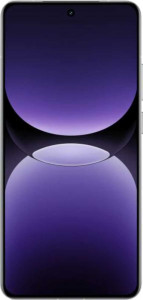
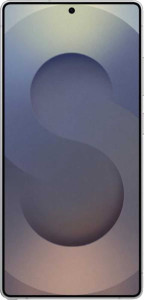
The connectivity foundations are nearly identical: both phones offer 5G, Wi-Fi 7, Bluetooth 5.4, NFC, USB-C, dual SIM, and matching peak download and upload speeds. For the vast majority of users, this shared baseline will cover every everyday connectivity need without distinction. The Samsung Galaxy S25 Ultra does add Wi-Fi 6E support, which opens up the less congested 6 GHz band for faster, more stable connections in dense environments — a useful but situational upgrade that requires a compatible Wi-Fi 6E router to realize.
Beyond radio connectivity, the S25 Ultra separates itself with several notable extras. It supports dual eSIM alongside two physical SIM slots, offering greater carrier flexibility without sacrificing a physical card slot — particularly valuable for frequent travelers. It also includes a barometer for altitude and weather sensing, ANT+ support for connecting fitness and sports equipment, and comes with a stylus, which adds a precision input method the Realme GT 7 Pro Racing has no equivalent for.
The Samsung Galaxy S25 Ultra wins this category. While the shared connectivity specs are strong on both sides, the S25 Ultra's eSIM support, Wi-Fi 6E, barometer, ANT+ compatibility, and bundled stylus collectively represent a broader, more versatile feature set — especially for power users, fitness enthusiasts, and those who value precision note-taking or annotation directly on their device.