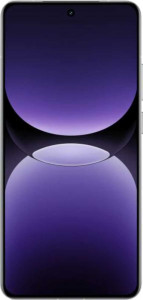
The connectivity foundation is nearly identical between these two devices — both support 5G, Wi-Fi 7, Bluetooth 5.4, NFC, USB-C, dual SIM, and matching peak download and upload speeds. For everyday wireless tasks, users of either phone operate from the same capable baseline. The differences, however, consistently favor the Samsung Galaxy S25 Ultra.
Samsung extends its Wi-Fi support to include Wi-Fi 6E, which opens access to the less congested 6 GHz band — a practical benefit in dense environments like offices or apartment buildings where 5 GHz networks are crowded. More significantly, the S25 Ultra adds 2 eSIM slots on top of its 2 physical SIM slots, giving it unmatched carrier flexibility for frequent travelers who need to juggle multiple numbers or regional plans without swapping physical cards. It also includes a barometer for environmental pressure sensing, ANT+ for connectivity with fitness equipment and sensors, and — perhaps most distinctively — a built-in stylus. The stylus transforms the S25 Ultra into a note-taking and precision input device, a capability the Realme GT 7 Pro Racing has no equivalent for in this spec group.
The Samsung S25 Ultra wins this category clearly and by a meaningful margin. The GT 7 Pro Racing holds its own on core connectivity, but the S25 Ultra's eSIM support, Wi-Fi 6E, barometer, ANT+, and included stylus collectively represent a broader and more versatile feature set — particularly for power users, travelers, and anyone who values the stylus as a productivity tool.