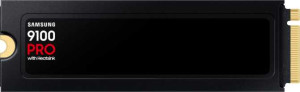
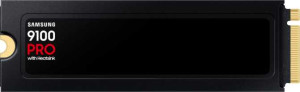
At their core, these two drives are architecturally identical — same M.2 form factor, same Samsung Presto controller, same PCIe 5.0 interface, same NVMe 2.0 protocol, same DRAM cache, same TLC NAND, and even the same 8-channel configuration. The shared foundation means buyers are not choosing between two different engineering approaches; they are simply choosing a capacity tier within the same platform.
The one general spec that meaningfully diverges is endurance. The 9100 Pro 8TB is rated for 4,800 TBW (Terabytes Written), exactly double the 2,400 TBW of the 4TB model. This proportional scaling is expected — more NAND means more cells to distribute writes across — but the practical implication is significant for write-intensive users. At a sustained daily write rate of 100GB, the 4TB drive would reach its rated endurance limit in roughly 65 years, and the 8TB in around 130 years, so neither is a longevity concern for typical consumer use. However, for archival servers, NAS deployments, or professional workstations writing hundreds of gigabytes daily, the 8TB's headroom is a concrete advantage. Both drives back their endurance claims with an identical 1.5 million hour MTBF rating and a 5-year warranty.
For general info, this group is essentially a tie in architecture, with the 9100 Pro 8TB holding a functional edge in rated endurance — relevant primarily to high-write professional environments rather than mainstream users.