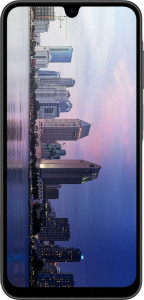
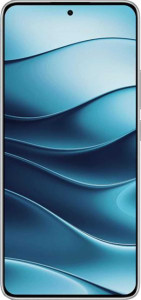
Connectivity fundamentals are virtually identical between these two phones. Both support 5G, Wi-Fi 5, Bluetooth 5.3, NFC, dual SIM, expandable storage, and USB Type-C — a strong and complete set of modern connectivity features that neither phone compromises on. The sensor suite is equally matched, with both offering GPS, gyroscope, accelerometer, and compass support.
Two specifics break the symmetry. The Galaxy A26 5G has a notably higher peak cellular download speed of 3790 Mbits/s compared to the Redmi's 2770 Mbits/s — a 37% advantage on paper. In practice, real-world speeds are constrained by network availability and conditions, so most users will rarely feel this gap day-to-day, but it does indicate a more capable modem for future-proofing in dense network environments. On the other side, the Redmi Note 14 5G includes an infrared sensor, which the A26 lacks entirely. An IR blaster lets the phone function as a universal remote control for TVs, air conditioners, and other home appliances — a niche but genuinely useful feature for users who want it.
Neither phone offers crash detection, satellite SOS, or a barometer, keeping them on equal footing across those more premium feature areas. Ultimately, this category is too close to declare a definitive winner. The A26's modem speed advantage is largely theoretical for most users, while the Redmi's IR blaster is a concrete bonus that either matters to a buyer or it doesn't. Users who value smart home or appliance control should lean toward the Redmi; otherwise, the two phones are effectively tied here.