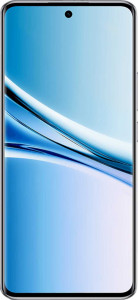
The connectivity foundations are largely shared: both phones support 5G, dual SIM, NFC, Wi-Fi 5, USB Type-C, expandable storage, and an identical sensor suite including GPS, gyroscope, accelerometer, and compass. Where the specs diverge, the split is interestingly even — each device claims one meaningful exclusive. The Galaxy A26 5G features the newer Bluetooth 5.3 versus the Redmi Note 15's 5.1, which brings modest improvements in connection stability and energy efficiency — a small but genuine advantage for wireless peripheral users. The Galaxy A26 also posts a higher peak download speed of 3790 Mbits/s compared to 2900 Mbits/s on the Redmi, though in practice both figures exceed what any current real-world 5G network consistently delivers.
The Redmi Note 15 5G counters with an infrared (IR) sensor — absent on the Galaxy A26 — which allows the phone to function as a universal remote control for TVs, air conditioners, and other IR-compatible appliances. For users who value this, it is a genuinely useful everyday convenience that the A26 cannot replicate. The Redmi also edges ahead on upload speed (1600 Mbits/s vs 1280 Mbits/s), though again, this is largely a theoretical ceiling rather than a day-to-day differentiator.
This category results in a near-tie with trade-offs on both sides. The Galaxy A26 holds a slight edge in Bluetooth modernity, while the Redmi Note 15 offers the more tangibly useful exclusive in the IR sensor. Users who rely on their phone as a remote control will find the Redmi's addition genuinely practical; for everyone else, the differences here are marginal.