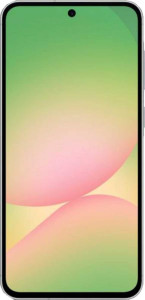
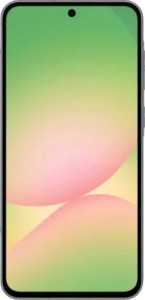
Both phones share the same core display DNA: an OLED/AMOLED panel, a 1080 x 2340 px resolution, a smooth 120Hz refresh rate, and Gorilla Glass Victus protection. The screen sizes are virtually indistinguishable at 6.7″ and 6.74″, yielding pixel densities of 385 ppi and 382 ppi respectively — a 3 ppi gap that is invisible to the naked eye. For the vast majority of everyday use cases, these two screens will look and feel essentially identical.
The meaningful split comes down to HDR and ambient display support. The A56 5G supports both HDR10 and HDR10+, meaning it can render a wider, more dynamic range of brightness and color when streaming compatible content on platforms like YouTube or Prime Video. The F56 5G supports neither standard, so HDR content will be tone-mapped down rather than rendered natively — a real difference for media enthusiasts. The A56 also includes an Always-On Display, a practical convenience feature that lets users check the time, notifications, and other glanceable info without fully waking the screen, saving unnecessary interactions throughout the day. The F56 offers no equivalent.
The Galaxy A56 5G holds a clear display advantage. While the two panels are near-identical in size, sharpness, and smoothness, the A56's HDR10/HDR10+ support elevates the streaming experience meaningfully, and its Always-On Display adds genuine daily utility — two features entirely absent on the F56.