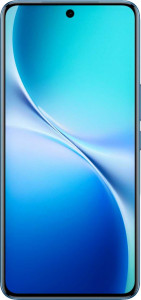
The camera systems share a solid common foundation — both feature triple rear lenses with 50MP main sensors, OIS, phase-detection autofocus, 4K/30fps video, and a full manual controls suite. But the similarities largely end at the primary lens. The V60's secondary rear camera is a 50MP shooter, compared to just 12MP on the A56, and the V60 adds 3x optical zoom where the A56 offers none. Optical zoom is a fundamental hardware advantage — it captures distant subjects without the quality loss inherent to digital cropping, making the V60 a significantly more versatile shooter for travel, events, or anything beyond arm's reach.
The selfie gap is even more pronounced. The Vivo V60 packs a 50MP front camera versus the A56's 12MP — a fourfold resolution difference that directly translates to sharper detail, better cropping flexibility, and higher-quality video calls or self-portraits. For users who prioritize front-facing photography, this is one of the most tangible differences in the entire comparison. The V60 also edges ahead in flash hardware, with 4 LED flash units compared to the A56's single LED, which typically means more even and natural-looking illumination in low-light shots.
Across every meaningful camera differentiator in this data set, the Vivo V60 holds a clear and consistent advantage: higher-resolution secondary and front cameras, real optical zoom, and a more capable flash array. The Galaxy A56's camera system is competent, but it is outgunned here by a notable margin — particularly for users who shoot portraits, zoom frequently, or rely heavily on their front camera.