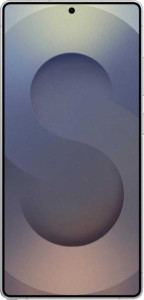
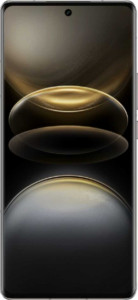
Running identical Android 15 bases, these two phones share an extensive common feature set — dark mode, dynamic theming, split-screen, Picture-in-Picture, offline voice recognition, on-device machine learning, and a full suite of privacy controls including clipboard warnings, location options, and camera/microphone permissions. For the vast majority of everyday software interactions, users switching between the two would feel right at home on either device.
The differentiators, while few, are practical. The S25 Ultra supports cross-site tracking blocking, Wi-Fi password sharing, and focus modes — none of which are present on the X200 Ultra. Cross-site tracking blocking adds a layer of browsing privacy that increasingly matters as ad ecosystems grow more aggressive. Focus modes, which allow users to filter notifications and app access by context (work, sleep, personal), are a meaningful productivity and wellness feature. Perhaps the most significant gap is desktop/PC mode: the S25 Ultra can be used as a PC when connected to an external display, turning the phone into a makeshift workstation — a capability the X200 Ultra entirely lacks.
The X200 Ultra has no compensating software-exclusive features based on the provided data. As a result, the S25 Ultra holds a clear edge in this category — not through a dramatic difference, but through a consistent accumulation of useful features that the X200 Ultra simply does not offer.