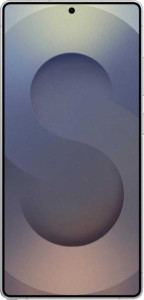
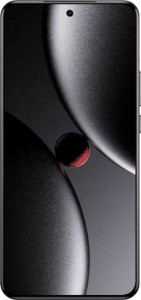
Running identical Android 15 bases, these two phones share the vast majority of their software feature sets — privacy controls, dynamic theming, split-screen multitasking, PiP, offline voice recognition, widgets, and more are present on both. For most users, day-to-day software experience will feel broadly comparable. The differences, while few, are practical rather than superficial.
The Samsung Galaxy S25 Ultra has two exclusive capabilities in this data set. First, Wi-Fi password sharing — a small but genuinely convenient feature for anyone who regularly hosts guests or sets up new devices. Second, and more significantly, the ability to be used as a PC via a desktop mode, which allows the phone to power a monitor, keyboard, and mouse setup as a full computing environment. The Xiaomi 15 Ultra lacks this feature entirely. In contrast, the Xiaomi does not support cross-site tracking blocking in its browser, whereas the S25 Ultra does — a modest but real privacy advantage for everyday web browsing without additional configuration.
The operating system category is largely a tie in scope, but the S25 Ultra's desktop PC mode is the single most impactful differentiator here, offering a genuine productivity use case that the Xiaomi cannot match. For users who value software versatility and the occasional need to work from their phone on a larger screen, the Samsung Galaxy S25 Ultra holds a clear, if narrow, edge in this group.