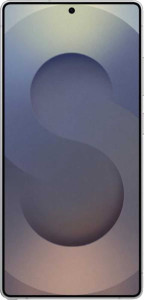
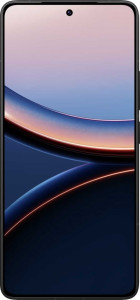
Both screens share the same fundamental technology — OLED/AMOLED panels with 1440p resolution, 120Hz refresh rates, HDR10+, and Always-On Display support — so the baseline experience is strong on either device. The S25 Ultra's larger 6.9″ canvas versus the Poco F7 Ultra's 6.67″ panel is the most immediately obvious difference, giving Samsung's phone more screen real estate for media, multitasking, and the S Pen. The Poco, however, packs pixels slightly tighter at 526 ppi versus 498 ppi, a difference that is technically measurable but practically invisible at normal viewing distances.
The more meaningful split comes down to brightness versus contrast and touch responsiveness. The S25 Ultra's 2600 nits typical brightness towers over the Poco's 1800 nits, which translates directly to superior outdoor legibility in sunlight — a daily real-world scenario. On the flip side, the Poco F7 Ultra counters with a higher contrast ratio of 5,000,000:1 versus 3,000,000:1 and exclusive Dolby Vision support, which means better tone-mapped HDR for compatible streaming content. Its 480Hz touch sampling rate — double the S25 Ultra's 240Hz — also gives it a tangible edge for competitive gaming, where input latency perception matters.
Taken together, the S25 Ultra's decisive brightness advantage makes it the stronger all-around display for everyday use, particularly outdoors. The Poco F7 Ultra is no slouch and pulls ahead for gaming responsiveness and Dolby Vision content, but those are more niche advantages. Users who frequently use their phone in bright environments will find the S25 Ultra's screen noticeably more usable — giving Samsung a clear overall edge in this category.