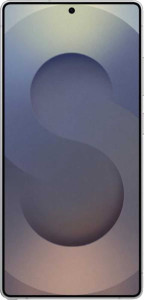
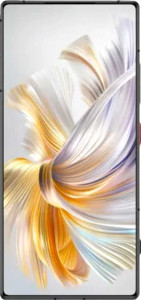
Wireless connectivity is a near-perfect draw: both phones offer identical Wi-Fi 7 support, Bluetooth 5.4, NFC, 5G, USB 3.2 Type-C, and the same peak download and upload speeds. Where the two diverge is in the details of SIM flexibility and onboard sensors. The S25 Ultra supports 2 physical SIMs plus 2 eSIMs, giving it unmatched flexibility for travelers or users managing personal and work lines — the Nubia offers 2 physical SIMs with no eSIM support at all, which is a meaningful limitation as carrier eSIM adoption continues to grow.
Sensor loadouts tell an interesting story of different priorities. The S25 Ultra includes a barometer — useful for accurate altitude readings, weather apps, and certain fitness tracking scenarios — and supports ANT+, the low-power protocol used widely by fitness accessories like heart rate straps and cycling sensors. The Nubia counters with an infrared sensor, enabling it to function as a universal remote control for TVs and other IR-compatible devices, a feature niche but genuinely appreciated by users who want it.
The single most consequential differentiator in this category, however, is the included stylus on the S25 Ultra. A built-in precision input device opens up handwriting, annotation, and detailed on-screen work that the Nubia simply cannot replicate without an accessory. Combined with its eSIM advantage and broader sensor suite, the S25 Ultra takes a clear edge in connectivity and features overall, with the Nubia's infrared sensor being the only area where it holds a unique capability.