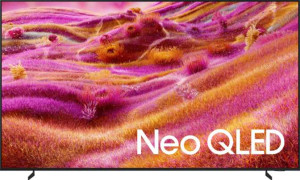
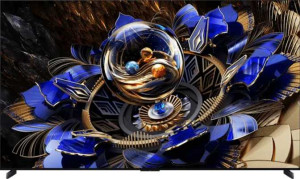
Both the Samsung QN115QN90F and the TCL 98X11K share the same fundamental display architecture — QLED Mini-LED LCD panels with a 4K (3840 x 2160) resolution, 10-bit color depth, 1.07 billion colors, a 144Hz refresh rate, and identical 178° horizontal and vertical viewing angles. Both also support the same HDR formats (HDR10, HDR10+, HLG), carry anti-reflection coatings, ambient light sensors, and the full AMD FreeSync Premium Pro adaptive sync stack. For everyday viewing and gaming, these shared traits mean the two TVs deliver a broadly similar visual experience at their respective sizes.
The most meaningful differentiator is size, and with it, pixel density. The Samsung stretches to 114.5″, producing a 38 ppi density, while the TCL measures 97.5″ at 45 ppi. That 7 ppi gap is noticeable: at typical living-room viewing distances the TCL will render slightly sharper fine detail and text, while the Samsung's sheer canvas delivers a more immersive, cinematic sense of scale. The right choice depends entirely on room size and seating distance — the Samsung rewards larger spaces, the TCL rewards closer seating. The other key differentiator is HDR ecosystem: the TCL adds Dolby Vision support, which the Samsung lacks. Dolby Vision uses dynamic, scene-by-scene metadata and is widely available on streaming platforms (Netflix, Disney+, Apple TV+), meaning the TCL can extract more precisely optimized HDR from a broader library of content.
In summary, these two TVs are closely matched on core display technology, but each holds one clear advantage in its category. The TCL 98X11K has the edge in display capability thanks to Dolby Vision compatibility and higher pixel density. The Samsung QN115QN90F counters with an unmatched 114.5″ screen size for buyers who prioritize maximum visual immersion above all else.