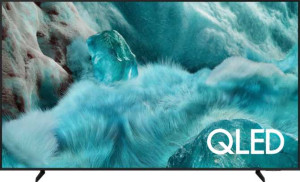
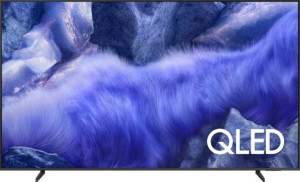
When it comes to display specifications, the Samsung QN85Q7FAAF and Samsung QN85QEF1AF are virtually identical across every measurable dimension. Both share the same 84.5″ QLED, LED-backlit LCD panel, the same 3840 x 2160 px (4K UHD) resolution, identical 52 ppi pixel density, 10-bit color depth rendering 1.07 billion colors, and a native 60Hz refresh rate. HDR support is equally matched, with both covering HDR10, HDR10+, and HLG, while neither supports Dolby Vision — a notable omission for users invested in that ecosystem.
Practical viewing comfort features are also mirrored: both panels include an anti-reflection coating to reduce glare in brighter rooms, an ambient light sensor for automatic brightness adjustment, and wide 178° horizontal and vertical viewing angles — the latter being particularly relevant on an 85-inch screen where off-axis seating is common. In real-world use, these specs translate to a panel that handles large rooms and varied seating positions well, though the 60Hz native refresh rate means neither unit is optimized for fast-motion gaming or sports without additional processing.
Based strictly on the provided display data, these two televisions are in a complete tie. There is not a single differentiating spec within this group — from panel type to HDR format support to viewing angles — making display performance a non-factor in choosing between them. Buyers should look to other specification groups to find meaningful differences.