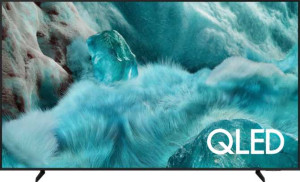
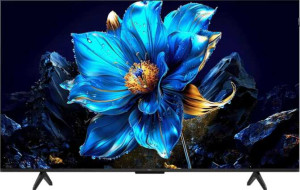
The Samsung QN85Q7FAAF and TCL 85P7K share a remarkably similar display foundation: both are 85″ QLED, LED-backlit LCD panels running at 3840 x 2160 (4K UHD) with a 52 ppi pixel density, 10-bit color depth, 1.07 billion colors, and a 60Hz native refresh rate. Viewing angles are identical at 178° horizontally and vertically, and both include anti-reflection coating and an ambient light sensor. In practice, these two screens would be nearly indistinguishable at the panel specification level.
The real divergence lies in HDR ecosystem support and adaptive sync. Both TVs cover HDR10, HDR10+, and HLG, but only the TCL 85P7K adds Dolby Vision. This matters because a growing library of streaming content — particularly on Netflix and Apple TV+ — is mastered in Dolby Vision, which uses dynamic, scene-by-scene metadata for more precise brightness and color adjustments than the static metadata of HDR10+. Additionally, the TCL is the only one here with AMD FreeSync adaptive synchronization, which reduces screen tearing and stuttering when connected to a compatible PC or gaming console, giving it a tangible edge for gaming use cases.
Overall, the TCL 85P7K holds a clear advantage in this display category. Its two exclusive features — Dolby Vision and AMD FreeSync — are not trivial additions; they expand real-world compatibility with premium streaming content and improve gaming performance. The Samsung Q7FAAF offers nothing in return to offset these gaps, making the TCL the stronger display option based strictly on the specs provided.