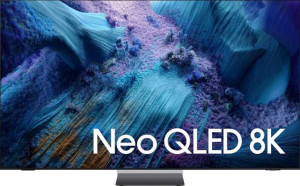
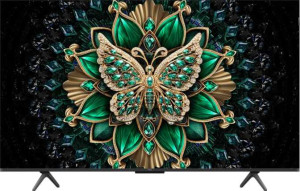
The most fundamental split between these two 98-inch sets is resolution. The Samsung QN98QN990FF operates at 8K (7680 x 4320), delivering a pixel density of 90 ppi, while the TCL 98C6K tops out at 4K (3840 x 2160) with 45 ppi — exactly half. At 98 inches, that density gap is more meaningful than on smaller screens: sitting at a typical viewing distance, the Samsung can render finer detail and subtler gradients, though the practical benefit depends heavily on whether 8K source content is available, which remains scarce. The TCL counters with a higher native refresh rate of 144Hz versus the Samsung's 120Hz, which is a tangible edge for high-frame-rate gaming and fast-motion content.
On HDR support, both panels cover HDR10, HDR10+, and HLG, but the TCL adds Dolby Vision — the format preferred by most major streaming platforms including Netflix and Apple TV+. This is a real-world gap: Samsung's omission of Dolby Vision means it cannot dynamically tone-map content mastered in that format, which is an increasingly large share of premium streaming libraries. The TCL also includes an anti-reflection coating that the Samsung lacks, a practical advantage in brighter or mixed-light rooms. Both share identical AMD FreeSync Premium Pro support, the same display technology stack (QLED Mini-LED LCD), and symmetric 178° viewing angles.
Overall, neither panel dominates cleanly. The Samsung holds a significant advantage for anyone prioritizing maximum resolution and future-proofing for 8K content. The TCL, however, offers a more well-rounded package for today's use cases: Dolby Vision compatibility, a faster 144Hz panel, and an anti-reflection coating make it the stronger choice for streaming-heavy users and gamers who do not need 8K.