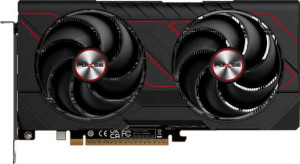
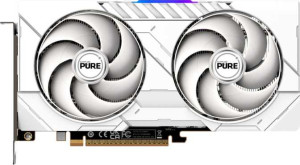
Feature parity continues to define this matchup. Both the Pulse and the Pure RX 9060 XT support DirectX 12 Ultimate, which is the relevant ceiling for modern PC gaming — enabling hardware ray tracing, mesh shaders, and variable rate shading in titles that support them. Ray tracing support is confirmed for both cards, and while AMD hardware ray tracing has historically trailed Nvidia in raw performance, the feature is present and functional for users who want it.
On the upscaling front, the absence of DLSS is expected on AMD hardware, but the inclusion of FSR4 on both cards is notable — FSR4 represents AMD's most advanced upscaling generation and delivers meaningfully improved image quality over its predecessors, making it a practical tool for boosting frame rates at higher resolutions. AMD SAM (Smart Access Memory) support is also shared, which allows a compatible AMD CPU to access the full GPU frame buffer at once, offering a tangible performance uplift in SAM-optimized titles at no cost. Neither card carries LHR restrictions, which is largely a non-issue today but worth confirming. Multi-monitor users are covered with support for up to 3 simultaneous displays.
Once again, this group results in a complete tie. The Pulse and the Pure are feature-for-feature identical — every capability, API version, and technology flag matches precisely. The feature set itself is well-rounded for a card at this tier, but it offers no basis for choosing one variant over the other.