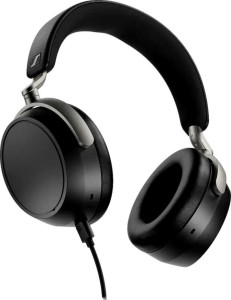
Sennheiser HDB 630
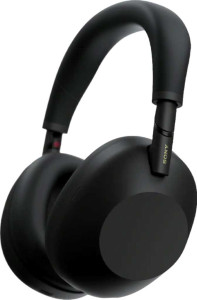
Sony WH-1000XM6

Sennheiser HDB 630 Sony WH-1000XM6

Common Features

  • Both products have an over-ear fit.
  • Both products have a detachable cable.
  • Both products do not have water resistance.
  • Both products can be folded.
  • Neither product is designed for kids.
  • Both products have a tangle-free cable.
  • Both products include a travel bag.
  • Neither product has an open-back design.
  • Both products have passive noise reduction.
  • Both products have USB Type-C.
  • Both products have a battery level indicator.
  • Neither product supports wireless charging.
  • Neither product has a solar power battery.
  • Both products have a rechargeable battery.
  • Neither product has a removable battery.
  • Both products can be used as a headset.
  • Neither product has an in-line control panel.
  • Both products have a maximum Bluetooth range of 10 m.
  • Both products support AAC.

Main Differences

  • Sennheiser HDB 630 weighs 311 g, while Sony WH-1000XM6 weighs 254 g.
  • Sennheiser HDB 630 does not have active noise cancellation, but Sony WH-1000XM6 does.
  • The lowest frequency is 6 Hz on Sennheiser HDB 630 and 4 Hz on Sony WH-1000XM6.
  • The highest frequency is 22,000 Hz on Sennheiser HDB 630 and 40,000 Hz on Sony WH-1000XM6.
  • Sennheiser HDB 630 has a 42 mm driver unit size, while Sony WH-1000XM6 has a 30 mm driver unit size.
  • Sennheiser HDB 630 has an impedance of 480 Ohms, while Sony WH-1000XM6 has an impedance of 48 Ohms.
  • Sennheiser HDB 630 does not support spatial audio, but Sony WH-1000XM6 does.
  • Sennheiser HDB 630 has a sound pressure level of 105 dB/mW, while Sony WH-1000XM6 has a sound pressure level of 103 dB/mW.
  • Sennheiser HDB 630 does not have a neodymium magnet, but Sony WH-1000XM6 does.
  • Battery life is 60 hours on Sennheiser HDB 630 and 30 hours on Sony WH-1000XM6.
  • Sennheiser HDB 630 uses Bluetooth 5.2, while Sony WH-1000XM6 uses Bluetooth 5.3.
  • Sennheiser HDB 630 has aptX Adaptive, but Sony WH-1000XM6 does not.
  • Sennheiser HDB 630 has aptX, but Sony WH-1000XM6 does not.
  • Sennheiser HDB 630 does not support LDAC, but Sony WH-1000XM6 does.
  • Sennheiser HDB 630 does not support Bluetooth LE Audio, but Sony WH-1000XM6 does.
  • Sennheiser HDB 630 has aptX HD, but Sony WH-1000XM6 does not.
  • Sennheiser HDB 630 does not support Auracast, but Sony WH-1000XM6 does.
  • Sennheiser HDB 630 does not have fast pairing, but Sony WH-1000XM6 does.
  • Sennheiser HDB 630 does not have an ambient sound mode, but Sony WH-1000XM6 does.
  • Sennheiser HDB 630 does not have in/on-ear detection, but Sony WH-1000XM6 does.
Specs Comparison
Sennheiser HDB 630

Sennheiser HDB 630

Sony WH-1000XM6

Sony WH-1000XM6

Design:
Fit Over-ear Over-ear
weight 311 g 254 g
has a detachable cable
water resistance None None
can be folded
is designed for kids
has a tangle free cable
travel bag is included
has an open-back design
cable length 1.2 m 1.2 m
has stereo speakers

Both the Sennheiser HDB 630 and Sony WH-1000XM6 have an over-ear fit, providing a similar form factor for comfortable long-term wear. The Sennheiser HDB 630 weighs 311 g, while the Sony WH-1000XM6 is lighter at 254 g, making the latter a slightly more portable choice.

Both models feature a detachable cable, a tangle-free cable design, and include a travel bag. The cable length is identical for both products at 1.2 m, offering similar flexibility. Neither model is water-resistant, and both can be folded for easy storage. Additionally, both headphones have stereo speakers, enhancing the listening experience.

When it comes to design features, the Sennheiser HDB 630 and Sony WH-1000XM6 are designed for general users, not specifically for kids, and neither has an open-back design. Both products include a travel bag, making them equally suitable for travel, though there are no significant differences between them in this group.

Sound quality:
has active noise cancellation (ANC)
lowest frequency 6 Hz 4 Hz
highest frequency 22000 Hz 40000 Hz
driver unit size 42 mm 30 mm
impedance 480 Ohms 48 Ohms
supports spatial audio
sound pressure level 105 dB/mW 103 dB/mW
has a neodymium magnet
has passive noise reduction

The Sennheiser HDB 630 and Sony WH-1000XM6 differ significantly in their sound quality features. The Sony WH-1000XM6 includes active noise cancellation (ANC), while the Sennheiser HDB 630 does not. This makes the Sony model a better choice for blocking out external noise. Additionally, the Sony headphones support spatial audio, which the Sennheiser HDB 630 lacks.

When it comes to frequency response, the Sony WH-1000XM6 offers a broader range, covering 4 Hz to 40,000 Hz, compared to the Sennheiser HDB 630’s 6 Hz to 22,000 Hz. This gives the Sony model an extended frequency range, potentially providing deeper bass and higher treble. The driver unit sizes also differ, with the Sennheiser HDB 630 featuring a 42 mm driver, while the Sony WH-1000XM6 has a smaller 30 mm driver.

The impedance of the two models is also quite different, with the Sennheiser HDB 630 having a much higher impedance of 480 Ohms, which might require more power to drive effectively. The Sony WH-1000XM6 has a much lower impedance of 48 Ohms, making it easier to drive with portable devices. Both models offer passive noise reduction and a sound pressure level of 105 dB/mW for the Sennheiser and 103 dB/mW for the Sony, with the Sennheiser slightly outpacing the Sony in this regard. Finally, the Sony WH-1000XM6 includes a neodymium magnet, which the Sennheiser HDB 630 does not have.

Power:
Battery life 60 hours 30 hours
Has USB Type-C
has a battery level indicator
has wireless charging
Has a solar power battery
has a rechargeable battery
has a removable battery

The Sennheiser HDB 630 and Sony WH-1000XM6 have similar power features, but with some key differences. The Sennheiser HDB 630 boasts a longer battery life of 60 hours, while the Sony WH-1000XM6 offers 30 hours of battery life, providing half the duration of the Sennheiser model.

Both headphones are equipped with a USB Type-C port for charging and a battery level indicator, which allows users to monitor the remaining battery life. Neither model supports wireless charging or solar power batteries. Both also feature a rechargeable battery, but neither has a removable battery.

Overall, the Sennheiser HDB 630 offers a significant advantage in terms of battery life, with a double duration compared to the Sony WH-1000XM6, but both models share the same charging and power management features.

Connectivity:
connectivity Wireless & wired Wireless & wired
Bluetooth version 5.2 5.3
has aptX Adaptive
has aptX
has LDAC
has LDHC
has Bluetooth LE Audio
has aptX Low Latency
has aptX HD
has aptX Lossless
has AAC
has Auracast
maximum Bluetooth range 10 m 10 m
has fast pairing
supports Bluetooth pairing using NFC

Both the Sennheiser HDB 630 and Sony WH-1000XM6 offer wireless and wired connectivity options. However, they differ in their Bluetooth capabilities. The Sennheiser HDB 630 uses Bluetooth version 5.2, while the Sony WH-1000XM6 is equipped with the newer Bluetooth 5.3. The Sennheiser model supports aptX Adaptive, aptX, and aptX HD, but lacks support for LDAC, LDHC, and Bluetooth LE Audio, while the Sony model supports LDAC and Bluetooth LE Audio but does not support aptX Adaptive, aptX, or aptX HD.

Both headphones support AAC for audio streaming, but the Sony WH-1000XM6 has additional features like Auracast and fast pairing, which the Sennheiser HDB 630 lacks. Neither product supports Bluetooth pairing via NFC. Additionally, both models have the same maximum Bluetooth range of 10 meters.

In summary, while both headphones offer robust wireless connectivity, the Sennheiser HDB 630 excels with its aptX support, whereas the Sony WH-1000XM6 benefits from newer Bluetooth technologies like Bluetooth 5.3 and LDAC support.

Features:
release date October 2025 May 2025
has ambient sound mode
has in/on-ear detection
can be used as a headset
Has an in-line control panel

The Sennheiser HDB 630 and Sony WH-1000XM6 both support being used as headsets, but they differ in other feature areas. The Sony WH-1000XM6 includes an ambient sound mode and in/on-ear detection, which the Sennheiser HDB 630 lacks. These features in the Sony model allow for greater interaction with your surroundings and automatic detection when the headphones are being worn, providing a more dynamic user experience.

Both models do not have an in-line control panel, so they rely on other methods for controlling playback or volume. However, the Sennheiser HDB 630 does not offer the additional ambient sound or detection features found in the Sony WH-1000XM6.

Overall, the Sony WH-1000XM6 has a couple of additional features, including ambient sound mode and in/on-ear detection, that are not available on the Sennheiser HDB 630, but both can be used as headsets.

Comparison Summary

This is a specification comparison between Sennheiser HDB 630 and Sony WH-1000XM6. Both headphones share features like a detachable cable, passive noise reduction, USB Type-C support, and a maximum Bluetooth range of 10 m. However, the two products differ in several key areas. The Sennheiser HDB 630 weighs 311 g, compared to the lighter 254 g of the Sony WH-1000XM6. The Sennheiser model does not support active noise cancellation, while the Sony model does. Additionally, the Sennheiser HDB 630 offers a 60-hour battery life, while the Sony WH-1000XM6 provides 30 hours. The Sennheiser model has a higher impedance of 480 Ohms, whereas the Sony model has 48 Ohms.