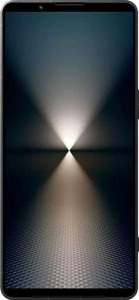
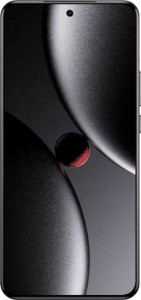
At the core connectivity level, these two phones are well matched. Both support 5G, Wi-Fi 7, Bluetooth 6, NFC, and USB 3.2 Type-C, with identical peak download and upload speeds. Sensors are also largely equivalent — gyroscope, accelerometer, barometer, GPS, compass, and Galileo support appear on both. For the vast majority of day-to-day connectivity use cases, neither phone has a meaningful structural advantage over the other.
The differentiators, however, are worth noting. The Xperia 1 VII offers a microSD card slot for expandable storage, a feature the Xiaomi 15 Ultra foregoes entirely — a meaningful advantage for users who want to extend their storage cheaply or transfer files physically. The Xperia also supports 1 physical SIM plus 1 eSIM, while the Xiaomi provides 2 physical SIM slots, which is more practical for users who travel internationally or need two active lines without relying on eSIM infrastructure. Flipping the equation, the Xiaomi adds an infrared sensor — useful as a universal remote for TVs and appliances — and critically, emergency SOS via satellite, which allows distress signaling in areas without cellular coverage, a potentially life-saving capability the Xperia lacks entirely.
This category ends in a functional split rather than a clear winner. The Xperia 1 VII suits users who value expandable storage and dual physical SIM flexibility, while the Xiaomi 15 Ultra edges ahead for those who prioritize safety features like satellite SOS and the added utility of an infrared blaster. The satellite emergency feature, given its potential stakes, tips the overall balance marginally in the Xiaomi's favor.