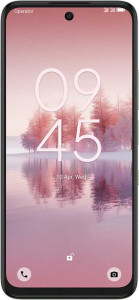
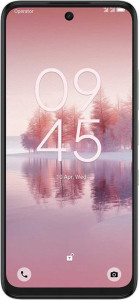
The most headline-worthy difference here is cellular: the TCL 60 SE NxtPaper 5G supports 5G connectivity, while the TCL 60 NxtPaper 4G is limited to 4G LTE. For users in areas with 5G coverage, this translates to significantly faster mobile data speeds and greater future-proofing as 4G networks are gradually deprioritized. Beyond that, Bluetooth also favors the 5G model — it ships with Bluetooth 5.4 versus 5.1 on the 4G variant. The newer version brings improvements in connection stability and efficiency, which is particularly relevant for wireless audio and peripheral pairing. Wi-Fi capability is identical on both, topping out at Wi-Fi 5 (802.11ac).
The shared connectivity foundation is solid: both devices include NFC for contactless payments, a fingerprint scanner, USB Type-C (albeit at USB 2.0 speeds), expandable storage via microSD, dual SIM support, and a full suite of location sensors including GPS, compass, gyroscope, and Galileo. One trade-off to flag is that the 60 NxtPaper 4G includes a barometer — useful for altitude tracking and weather-sensitive applications — while the 60 SE NxtPaper 5G omits it entirely.
Overall, the TCL 60 SE NxtPaper 5G holds the connectivity edge, with 5G support and a newer Bluetooth version representing practical, day-to-day advantages that outweigh the 4G model's barometer inclusion for most users. Those with specific needs for atmospheric sensing may weigh that differently, but for general connectivity, the 5G model is the stronger package.