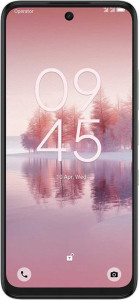
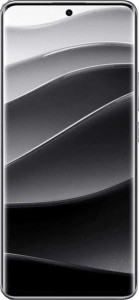
The display category is where these two phones diverge most dramatically. The TCL 60 SE NxtPaper 5G uses an IPS LCD panel, while the Redmi Note 14 Pro 5G features an OLED/AMOLED display — a fundamental technology gap. OLED produces true blacks by switching pixels off entirely, delivering far superior contrast, more vibrant colors, and better power efficiency when rendering dark content. The LCD in the TCL simply cannot match this, regardless of other tuning.
Sharpness compounds the difference. The TCL resolves at 720 x 1600 px — a HD-level resolution — yielding a pixel density of just 262 ppi, where individual pixels can become discernible at normal viewing distances. The Redmi, by contrast, renders at 1220 x 2712 px and 446 ppi, a density at which text and fine detail appear genuinely crisp. Both panels run at a 120Hz refresh rate, so scrolling smoothness is equally fluid on either device. Beyond resolution, the Redmi adds HDR10+ and Dolby Vision support alongside an Always-On Display — features entirely absent on the TCL — meaning compatible streaming content will render with wider dynamic range and greater tonal accuracy.
The Redmi Note 14 Pro 5G wins this category decisively and across nearly every dimension: panel technology, sharpness, HDR support, and screen protection via branded damage-resistant glass. The TCL 60 SE NxtPaper 5G's display is functional for everyday tasks, but users who prioritize media consumption, readability, or screen durability will find the Redmi's panel in a different class entirely.