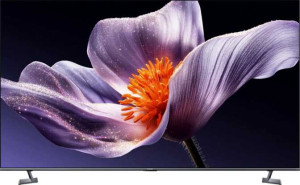
Both the TCL 65C6K and the Xiaomi TV S Pro Mini LED 2026 share an identical display foundation: the same QLED Mini-LED LCD panel technology, a 4K (3840 x 2160) resolution at 68 ppi, a 10-bit color pipeline capable of rendering 1.07 billion colors, a 144Hz refresh rate, and full HDR format support across HDR10, HDR10+, Dolby Vision, and HLG. Anti-reflection coating and an ambient light sensor are present on both, as are identical 178° viewing angles in both axes. In terms of feature parity, these two sets are remarkably well-matched on paper.
The single but meaningful differentiator is peak brightness: the TCL is rated at 1000 nits typical, while the Xiaomi reaches 1700 nits typical — a 70% higher figure. In practice, this gap matters most in HDR content and bright viewing environments. Higher brightness allows specular highlights in HDR scenes (a glinting sun, a candle flame) to appear more convincingly vivid and distinct from the surrounding image, which is precisely where Mini-LED backlighting is designed to shine. It also means the Xiaomi can better combat washout in a sunlit room without sacrificing shadow detail.
On display specs alone, the Xiaomi TV S Pro Mini LED 2026 holds a clear edge, driven entirely by its substantially higher brightness output. All other display attributes being equal, that 700-nit advantage translates directly into superior HDR impact and better usability in challenging lighting conditions. The TCL 65C6K is competitive in every other respect, but cannot match the Xiaomi's luminance headroom.