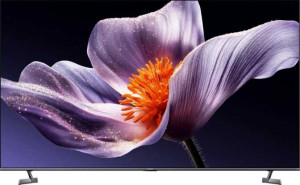
Both the TCL 65C7K and the Xiaomi TV S Pro Mini LED 2026 share the same fundamental display architecture — QLED Mini-LED LCD panels with a 4K (3840 x 2160) resolution, 10-bit color depth, and support for 1070 million colors. They also match on 144Hz refresh rate, full HDR format coverage (HDR10, HDR10+, Dolby Vision, and HLG), anti-reflection coating, and wide 178° viewing angles in both axes. For most users, this means both TVs are built on a comparable visual foundation and will handle fast motion, gaming, and HDR content equally well in terms of format compatibility.
The most meaningful differentiator is peak brightness: the TCL reaches 2600 nits versus the Xiaomi's 1700 nits — a gap of over 50%. In practice, this significantly affects how HDR highlights punch through in bright rooms and how vivid specular reflections or sunlit scenes appear. The TCL's higher nit ceiling makes it noticeably better suited for well-lit environments and delivers a more dramatic HDR experience. On the flip side, the Xiaomi's smaller 55″ panel produces a higher pixel density of 80 ppi versus the TCL's 68 ppi, which translates to slightly sharper, more refined detail at close viewing distances — though at typical living-room distances this difference is minor.
Overall, the TCL 65C7K has a clear edge in this display group, primarily due to its substantially higher brightness output, which is the single most impactful spec for Mini-LED performance in HDR and mixed-light viewing conditions. The Xiaomi holds a marginal advantage in pixel sharpness owing to its smaller screen size, but this is unlikely to be noticeable in typical use. If brightness and screen size are priorities, the TCL wins; if a more compact form factor with slightly crisper pixels is preferred, the Xiaomi remains a competitive alternative on an otherwise near-identical display platform.