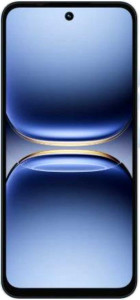
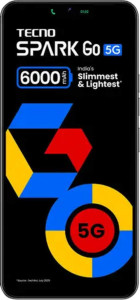
The rear camera gap between these two devices is substantial. The Spark Go 5G packs a 50 MP main sensor versus the Spark 40C's 13 MP — a difference that, while not the only factor in image quality, directly enables greater detail retention, more flexibility when cropping shots, and better downscaling results in good lighting. The Go 5G also captures video at 1440 x 30 fps compared to the Spark 40C's 1080p ceiling, delivering noticeably sharper footage. Adding to that, the Go 5G features 2 flash LEDs versus a single LED on the Spark 40C, which typically produces more even and natural-looking illumination in low-light scenes.
The selfie camera flips the advantage. The Spark 40C offers an 8 MP front shooter against the Go 5G's 5 MP, making it the stronger choice for video calls and self-portraits where resolution and detail are more noticeable in close-up framing. Beyond resolution, the two front cameras are otherwise equivalent in features.
Across the remaining camera capabilities — autofocus, HDR mode, slow-motion, manual controls, and panorama — both phones are identical, so those features do not tip the scales either way. Overall, the Spark Go 5G holds a clear edge in rear camera capability, particularly for anyone who prioritizes photo resolution and video quality. The Spark 40C counters with a stronger front camera, making it the better pick for selfie-focused users. The right choice depends squarely on which shooting direction matters more.