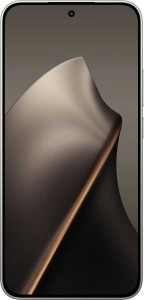
Across the broad sweep of connectivity, these two phones are closely matched — both carry 5G, Bluetooth 6, Wi-Fi 7, NFC, USB-C, dual SIM, infrared, and an identical sensor array including gyroscope, accelerometer, compass, and GPS. The shared foundation is strong, but three specific differences are worth unpacking carefully.
The most impactful gap is the USB standard. The iQOO 15 uses USB 3.2, while the 15T Pro is limited to USB 2.0 — a significant step back. USB 3.2 enables data transfer speeds many times faster than USB 2.0, which matters when moving large video files, backing up storage, or using the port for display output or high-bandwidth accessories. The iQOO 15 also pulls ahead on cellular download speeds (10,000 Mbits/s vs. 7,300 Mbits/s), a difference that becomes relevant in dense 5G environments where peak throughput is achievable. In the other direction, the 15T Pro adds Wi-Fi 6E support to its stack — access to the less-congested 6 GHz band, which can reduce interference in crowded wireless environments like offices or apartments — while the iQOO 15 does not list this band. The iQOO 15 also includes a barometer, useful for altitude tracking and weather-sensitive apps, which the 15T Pro omits.
The Vivo iQOO 15 takes this group. The USB 3.2 advantage is practical and frequently relevant, and the higher cellular download ceiling reinforces its lead. The 15T Pro's Wi-Fi 6E support is a genuine plus in the right environments, but it is not enough to outweigh what the iQOO 15 offers across the rest of this category.