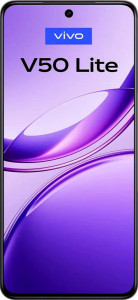
Connectivity is where the naming difference between these two variants becomes most tangible. The most obvious dividing line is 5G support — present on the 5G model, absent on the 4G — which directly translates to a staggering difference in peak download speeds: 3300 Mbits/s versus 390 Mbits/s. While real-world speeds depend heavily on carrier infrastructure and signal conditions, the 5G model is fundamentally capable of dramatically faster data transfers in supported areas, which benefits large file downloads, high-quality video streaming, and cloud-dependent applications. For buyers in regions with expanding 5G coverage, this is a meaningful future-proofing advantage.
The Bluetooth gap is subtler but still worth noting. The 5G variant ships with Bluetooth 5.4 compared to 5.0 on the 4G model. The newer version brings improvements to connection stability and efficiency, which can translate to more reliable wireless audio and peripheral pairing, particularly in crowded wireless environments. Shared across both models are Wi-Fi 5 support, NFC, USB Type-C (USB 2.0), dual SIM, a fingerprint scanner, and a standard sensor suite including gyroscope, GPS, accelerometer, and compass — a solid and consistent connectivity baseline.
The Vivo V50 Lite 5G holds a clear and decisive edge in this category. The combination of 5G connectivity and a newer Bluetooth version makes it the stronger choice for users who prioritize wireless performance and longevity — and for many buyers, 5G capability alone may be the single most compelling differentiator between the two variants overall.