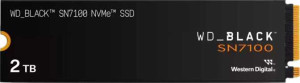
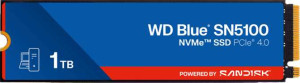
Write performance is where a more meaningful gap begins to emerge between these two drives. The SN7100 2TB reaches 6900 MB/s sequential write speed against the SN5100 1TB's 6700 MB/s — a ~3% difference that, much like the read side, remains imperceptible during routine file saves or installations. However, the random write story is slightly more interesting: the SN7100 pulls ahead with 1,400,000 IOPS versus 1,300,000 IOPS for the SN5100, a ~8% advantage that is at least numerically more notable.
Random write IOPS directly influences how a drive handles sustained mixed workloads — think video editing timelines with frequent autosaves, virtual machine disk images being written concurrently, or professional applications generating large numbers of small temporary files. In those contexts, a higher random write ceiling can translate to reduced micro-stutter and more consistent throughput under pressure. That said, both figures are exceptionally high, and consumer workloads will rarely push either drive to its rated limit.
The SN7100 2TB holds a clear, if modest, edge across both write metrics. The sequential gap is negligible in practice, but the advantage in random write IOPS gives the SN7100 a slight upper hand for write-intensive professional use cases. For general consumer use, the difference is unlikely to be felt, but power users prioritizing sustained write consistency have a clear reason to favor the SN7100.