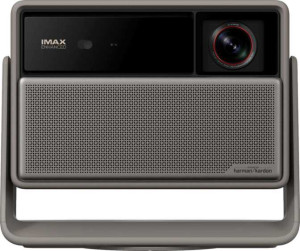
XGIMI Horizon 20 Max
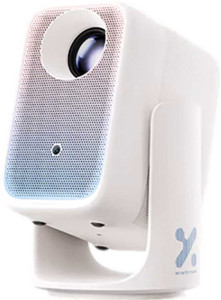
Xming Q6

XGIMI Horizon 20 Max Xming Q6

Common Features

  • Both products have a dedicated smartphone app.
  • Both products support HDR10.
  • Both products support Wi-Fi.
  • Both products have Chromecast built-in.
  • Both products are DLNA-certified.
  • Both products support Miracast.
  • Both products have stereo speakers.
  • Both products have a remote control.
  • Both products have a built-in smart TV.
  • Both products have a built-in speaker.
  • Both products have a socket for a 3.5 mm audio jack.
  • Neither product has Dolby Atmos support.
  • Both products have Bluetooth.
  • Both products support AirPlay.
  • Both products support Wi-Fi version 6 (802.11ax), Wi-Fi 5 (802.11ac), and Wi-Fi 4 (802.11n).

Main Differences

  • XGIMI Horizon 20 Max has a laser light source, while Xming Q6 does not.
  • XGIMI Horizon 20 Max has a width of 218 mm, while Xming Q6 has a width of 172 mm.
  • XGIMI Horizon 20 Max has a height of 208 mm, while Xming Q6 has a height of 291 mm.
  • XGIMI Horizon 20 Max has a thickness of 136 mm, while Xming Q6 has a thickness of 286 mm.
  • XGIMI Horizon 20 Max has a volume of 6166.784 cm³, while Xming Q6 has a volume of 14314.872 cm³.
  • XGIMI Horizon 20 Max has 4K output resolution, while Xming Q6 has 1080p output resolution.
  • XGIMI Horizon 20 Max supports a maximum projection size of 300″, while Xming Q6 supports a maximum projection size of 120″.
  • XGIMI Horizon 20 Max supports Dolby Vision, while Xming Q6 does not.
  • XGIMI Horizon 20 Max has 2 HDMI ports, while Xming Q6 has 1 HDMI port.
  • XGIMI Horizon 20 Max has 2 USB ports, while Xming Q6 has 1 USB port.
  • XGIMI Horizon 20 Max does not have a VGA connector, while Xming Q6 does.
  • XGIMI Horizon 20 Max has Bluetooth version 5.2, while Xming Q6 has Bluetooth version 5.3.
  • XGIMI Horizon 20 Max has a DVI connector, while Xming Q6 does not.
  • XGIMI Horizon 20 Max has vertical and horizontal lens shift, while Xming Q6 does not have either.
  • XGIMI Horizon 20 Max has audio output power of 2 x 12W, while Xming Q6 has audio output power of 2 x 5W.
  • XGIMI Horizon 20 Max has voice commands, while Xming Q6 does not.
Specs Comparison
XGIMI Horizon 20 Max

XGIMI Horizon 20 Max

Xming Q6

Xming Q6

General info:
has laser light source
release date September 2025 September 2025
width 218 mm 172 mm
height 208 mm 291 mm
thickness 136 mm 286 mm
Has a dedicated smartphone app
volume 6166.784 cm³ 14314.872 cm³

The XGIMI Horizon 20 Max and Xming Q6 have some notable differences in their general specifications. The Horizon 20 Max features a laser light source, while the Q6 does not, which could affect their brightness and longevity. In terms of size, the Horizon 20 Max is more compact with a width of 218 mm, height of 208 mm, and thickness of 136 mm, giving it a smaller footprint compared to the Q6, which measures 172 mm in width, 291 mm in height, and 286 mm in thickness. This makes the Q6 much taller and thicker than the Horizon 20 Max, though the Q6 is narrower.

When it comes to the volume of the two devices, the XGIMI Horizon 20 Max is much more compact, with a total volume of 6166.784 cm³, whereas the Xming Q6 is significantly larger with a volume of 14314.872 cm³, over double that of the Horizon 20 Max. Both devices come with a dedicated smartphone app, offering the same level of app support for user control and settings management.

In summary, the XGIMI Horizon 20 Max is smaller, lighter, and uses a laser light source, while the Xming Q6 is larger and lacks a laser light source but offers similar app integration.

Projection quality:
output resolution 4K 1080p
maximum projection size 300" 120"
supports HDR10+
supports Dolby Vision
supports HDR10

The XGIMI Horizon 20 Max and Xming Q6 differ significantly in their projection quality specifications. The Horizon 20 Max offers a 4K output resolution, while the Q6 has a lower 1080p resolution, which could result in a sharper image on the Horizon 20 Max for those seeking higher detail. The maximum projection size also varies greatly: the Horizon 20 Max can project up to 300 inches, whereas the Q6 is limited to a 120-inch projection size, making the Horizon 20 Max more suitable for larger viewing areas.

Both projectors support HDR10+, which enhances color and contrast for compatible content. However, the Horizon 20 Max also supports Dolby Vision, providing a richer HDR experience, while the Q6 does not support Dolby Vision. Both devices support HDR10, ensuring they can display high dynamic range content, though the Horizon 20 Max has a broader HDR capability with Dolby Vision support.

In summary, the XGIMI Horizon 20 Max offers a higher resolution, a much larger projection size, and supports both HDR10+ and Dolby Vision, while the Xming Q6 has a lower resolution, smaller projection size, and lacks Dolby Vision support.

Connectivity:
HDMI ports 2 1
has AirPlay
Has Bluetooth
supports Wi-Fi
Wi-Fi version Wi-Fi 6 (802.11ax), Wi-Fi 5 (802.11ac), Wi-Fi 4 (802.11n) Wi-Fi 6 (802.11ax), Wi-Fi 5 (802.11ac), Wi-Fi 4 (802.11n)
USB ports 2 1
has Chromecast built-in
has a VGA connector
Bluetooth version 5.2 5.3
is DLNA-certified
has a DVI connector
supports Miracast
RJ45 ports 0 0
Has S/PDIF Out port

The XGIMI Horizon 20 Max and Xming Q6 both offer a range of connectivity options, though there are some differences. The Horizon 20 Max is equipped with 2 HDMI ports, while the Q6 has only 1 HDMI port. Both models support AirPlay, Bluetooth, Wi-Fi (with the same Wi-Fi versions: Wi-Fi 6, Wi-Fi 5, and Wi-Fi 4), and Chromecast built-in, providing a good variety of wireless streaming and connection options. The Horizon 20 Max has Bluetooth 5.2, whereas the Q6 has a slightly newer Bluetooth version 5.3, which could offer minor improvements in range and stability.

In terms of physical connections, the Horizon 20 Max offers 2 USB ports and lacks a VGA connector, while the Q6 has 1 USB port and includes a VGA connector. Both projectors are DLNA-certified and support Miracast, ensuring compatibility with a wide range of devices for media streaming. Neither projector has an RJ45 port or an S/PDIF Out port.

To summarize, the XGIMI Horizon 20 Max offers more HDMI and USB ports, as well as Bluetooth 5.2, while the Xming Q6 offers a VGA connector and a slightly newer Bluetooth version (5.3). Both projectors have similar wireless features but differ in the number of physical ports available.

Features:
has stereo speakers
has lens shift (vertical)
has lens shift (horizontal)
has a remote control
has built-in smart TV
has a built-in speaker
audio output power 2 x 12W 2 x 5W
has a socket for a 3.5 mm audio jack
has Dolby Atmos
has voice commands

Both the XGIMI Horizon 20 Max and Xming Q6 come with stereo speakers and built-in speakers, but there are differences in their speaker performance. The Horizon 20 Max features audio output power of 2 x 12W, providing more robust sound compared to the Q6's 2 x 5W audio output. In terms of functionality, the Horizon 20 Max offers both vertical and horizontal lens shift, while the Q6 lacks any lens shift capabilities.

Both projectors come with a remote control, built-in smart TV functionality, and a socket for a 3.5 mm audio jack, offering similar convenience for users looking for easy control and external audio connections. The Horizon 20 Max also supports voice commands, which the Q6 does not, making it more interactive. Neither projector features Dolby Atmos support.

In summary, the XGIMI Horizon 20 Max offers superior audio output, lens shift adjustments, and voice command support, while the Xming Q6 provides more basic functionality with lower audio output and no lens shift or voice command capabilities.

Comparison Summary

This is a specification comparison between XGIMI Horizon 20 Max and Xming Q6. Both products have a dedicated smartphone app, support HDR10, and include Bluetooth and Wi-Fi. However, the XGIMI Horizon 20 Max features a laser light source, 4K output resolution, and Dolby Vision support, while the Xming Q6 has 1080p resolution, lacks Dolby Vision, and includes a VGA connector. Additionally, the XGIMI Horizon 20 Max supports a maximum projection size of 300″, compared to the Xming Q6's 120″, and its audio output power is 2 x 12W, while the Xming Q6 has 2 x 5W.