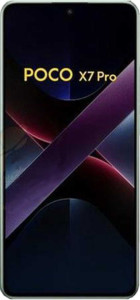
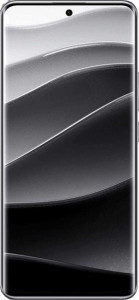
At a glance, these two displays share a lot of DNA — both are 6.67″ OLED/AMOLED panels running at 120Hz, with identical contrast ratios, HDR10+, Dolby Vision, and Always-On Display support. For most users, this shared foundation means a vibrant, smooth viewing experience on either device. The meaningful differences, however, lie in sharpness, peak brightness, and glass protection.
The Poco X7 Pro pulls ahead on resolution, delivering 446 ppi from its 1220 x 2712 px panel, compared to the Redmi Note 14 Pro 4G's 395 ppi at 1080 x 2400 px. That gap is noticeable when reading fine text or viewing detailed images up close — the Poco's screen will appear visibly crisper. The Redmi Note 14 Pro 4G counters with a higher typical brightness of 1800 nits versus the Poco's 1400 nits, which translates to better legibility in harsh outdoor sunlight. For users who frequently use their phone outdoors in bright conditions, this is a genuine practical advantage.
The glass protection story also favors the Redmi Note 14 Pro 4G, which uses Gorilla Glass Victus 2 — a newer and more drop-resistant generation — compared to the Poco X7 Pro's Gorilla Glass 7i, which is designed more for scratch resistance on mid-range devices. Ultimately, this group is a trade-off: the Poco X7 Pro wins on sharpness, while the Redmi Note 14 Pro 4G wins on brightness and glass durability. Users who prioritize image clarity should lean toward the Poco; those who spend more time outdoors or want stronger drop protection will find the Redmi Note 14 Pro 4G the more practical choice.