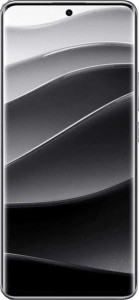
At first glance, these two screens look identical: both are 6.67″ OLED panels running at 446 ppi and 120Hz, with matching HDR10+, Dolby Vision, Always-On Display, and a 5,000,000:1 contrast ratio. For most content consumption tasks, users would be hard-pressed to tell them apart in a side-by-side test based on those shared attributes alone.
The meaningful separators appear in three areas. First, brightness: the Redmi Note 14 Pro 5G reaches 3000 nits typical brightness versus 1400 nits on the Poco X7 Pro — more than double — which translates directly into far better outdoor legibility under direct sunlight. Second, the touch sampling rate diverges dramatically: 2560Hz on the Redmi Note 14 Pro 5G against 480Hz on the Poco X7 Pro. While everyday users may not notice this gap in casual use, it becomes meaningful for fast-paced gaming, where higher sampling rates reduce input latency and improve stylus or swipe precision. Third, the Redmi uses Gorilla Glass Victus 2, a more recent and drop-resistant formulation than the Poco X7 Pro's Gorilla Glass 7i, offering better protection against accidental damage.
The Redmi Note 14 Pro 5G holds a clear advantage in this category. Its superior brightness makes it the more versatile display in varied lighting environments, and the combination of a stronger glass generation and a significantly higher touch sampling rate reinforces that edge — particularly for users who spend time outdoors or play games competitively.