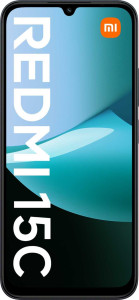
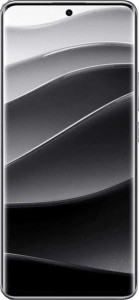
Panel technology is where these two phones diverge most dramatically. The Redmi 15C 4G uses an LCD IPS panel, while the Redmi Note 14 Pro 5G features an OLED/AMOLED display — and that distinction carries real consequences. OLED delivers true blacks, higher contrast, and more vivid colors by lighting pixels individually, whereas LCD relies on a backlight that prevents true black levels. For media consumption, gaming, or anything viewed in dim environments, the OLED experience is perceptibly richer.
Sharpness compounds that advantage further. The Redmi 15C 4G resolves at 720 x 1600 px across a larger 6.9″ screen, yielding just 254 ppi — a density where individual pixels can become visible at normal viewing distances. The Note 14 Pro 5G packs 1220 x 2712 px into a 6.67″ panel, reaching 446 ppi, which produces text and images that appear genuinely sharp and crisp. Both phones share a 120Hz refresh rate, so scrolling fluidity is equally smooth across the two. On glass protection, however, the Note 14 Pro 5G's Gorilla Glass Victus 2 is a meaningful step above the Redmi 15C 4G's Gorilla Glass 3, offering significantly better resistance to drops and scratches.
The Note 14 Pro 5G also exclusively supports HDR10, HDR10+, and Dolby Vision, enabling it to render compatible streaming content with expanded brightness and color range, plus an Always-On Display for at-a-glance notifications. The Redmi Note 14 Pro 5G holds a decisive edge in this category across nearly every meaningful metric — panel quality, resolution, scratch resistance, and content compatibility — making it the clear choice for display-conscious users.