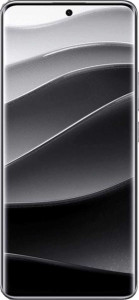
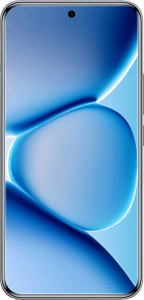
Both phones use OLED/AMOLED panels with a 120Hz refresh rate, damage-resistant glass, and full HDR support including HDR10+ and Dolby Vision — so the viewing experience baseline is strong on either device. The Note 15 Pro Plus gets a larger canvas at 6.83″ versus 6.67″, which translates to noticeably more screen real estate for media consumption and multitasking, while pixel density remains virtually identical at 443 vs. 446 ppi — meaning sharpness is indistinguishable to the human eye on either panel.
Where the 15 Pro Plus pulls ahead in raw panel quality is contrast: its 8,000,000:1 contrast ratio surpasses the already impressive 5,000,000:1 on the Note 14 Pro Plus. In practice, a higher contrast ratio means deeper blacks and more vivid separation between dark and bright elements, particularly visible in HDR content and low-light scenes. The Note 14 Pro Plus counters with a significantly higher touch sampling rate of 480Hz versus 240Hz on the 15 Pro Plus — a spec that matters most for competitive mobile gaming, where faster input detection can reduce perceived latency during rapid touch interactions.
Overall, the Note 15 Pro Plus has the edge for media-focused users thanks to its larger screen and superior contrast ratio, while the Note 14 Pro Plus is the stronger choice for gamers who prioritize touch responsiveness. For most everyday users, though, the display quality gap between these two is narrow, and either screen will deliver an excellent visual experience.