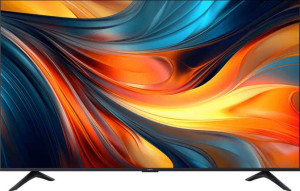
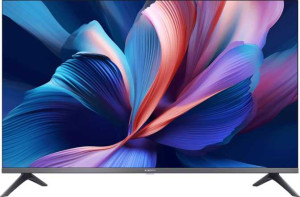
Both the Xiaomi TV A 2026 32″ and the Xiaomi TV A Pro 2026 32″ share the same physical panel dimensions, identical 1366 x 768 px resolution, 49 ppi pixel density, 8-bit color depth, and a 60Hz refresh rate — meaning in terms of sharpness and motion handling, the day-to-day viewing experience will look essentially the same on both screens. It is worth noting that the A 2026 carries a ″4K (UHD)″ display resolution label in its specs, which directly conflicts with its listed 1366 x 768 pixel count; the actual rendered image on both sets is standard 720p (HD), so users should not expect any 4K output from either model.
The most meaningful hardware difference lies in the panel technology. The A Pro 2026 uses a QLED layer on top of its LED-backlit LCD, while the A 2026 relies on conventional LED-backlit LCD alone. QLED employs quantum dots to widen the color gamut and boost peak brightness and color saturation, which translates to more vivid, punchier images — particularly noticeable in well-lit rooms or with colorful content. On the HDR front, both panels support HDR10 and HLG, but only the A Pro adds HDR10+ support, which enables dynamic scene-by-scene tone mapping for compatible content, producing more accurate highlight and shadow detail compared to the static metadata of standard HDR10.
All other display characteristics — anti-reflection coating, ambient light sensor, and a wide 178° horizontal and vertical viewing angle — are identical, so neither model has an edge in usability or placement flexibility. Overall, the A Pro 2026 holds a clear display advantage: its QLED panel should deliver noticeably better color saturation and brightness, and the addition of HDR10+ makes it the stronger choice for HDR content consumption, all at the same screen size and base resolution.