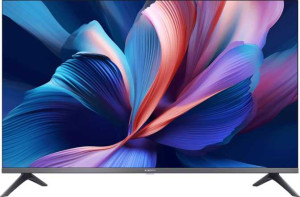
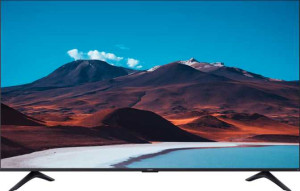
Both the Xiaomi TV A Pro 2026 32″ and the Xiaomi TV F 2026 32″ share an identical display foundation: a QLED, LED-backlit LCD panel at 32″ with a 720p (1366 x 768) resolution, yielding 49 ppi. At this screen size and typical viewing distance, 720p is perfectly adequate for a bedroom or secondary TV — the pixel density is sufficient to avoid visible pixelation in normal use. Both panels also share the same 60Hz refresh rate, 8-bit color depth capable of rendering 1.67 billion colors, and wide 178º viewing angles in both axes, meaning picture quality holds up well when viewed off-center. Anti-reflection coating and an ambient light sensor are present on both, adding practical value for varying room lighting conditions.
On the HDR front, the two TVs are nearly identical, both supporting HDR10 and HLG while omitting Dolby Vision. The single differentiator in this entire spec group is HDR10+: the A Pro 2026 supports it, and the F 2026 does not. HDR10+ improves on standard HDR10 by using dynamic metadata — meaning brightness and contrast are optimized scene-by-scene rather than set once for the whole film. In practice, this can produce more nuanced highlights and shadow detail on compatible content.
The A Pro 2026 holds a narrow but real edge in display specs purely because of its HDR10+ support. That said, the real-world impact is modest on a 32″ HD panel: HDR10+ content is still relatively limited, and the gains are more pronounced on larger, higher-resolution screens. If HDR10+ compatibility matters for future-proofing or specific streaming services, the A Pro 2026 is the pick; otherwise, the two displays are effectively equivalent in everyday use.