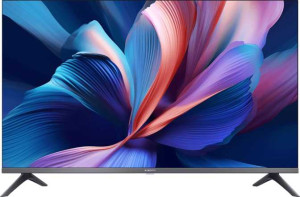
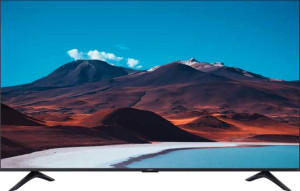
The smart feature set shared between these two models is extensive: both run a built-in smart TV platform with Google Assistant, AirPlay, smartphone remote support, USB recording, and voice commands — a well-rounded foundation that covers the majority of day-to-day smart TV interactions. The one notable divergence in ecosystem compatibility is that the Xiaomi TV F 2026 65″ adds Amazon Alexa support, while the A Pro 2026 does not. For households already embedded in the Alexa ecosystem — using Echo devices, smart home routines, or Alexa-linked services — this is a genuine practical advantage that removes the need for workarounds.
The more consequential real-world differentiator, however, is power consumption. The A Pro 2026 draws 210W during operation versus the F 2026's 150W — a 40% gap. Spread across several hours of daily use, this difference adds up meaningfully on electricity bills over the course of a year. Part of this is simply the physics of driving a larger panel, but it is a cost of ownership factor worth factoring in, particularly for budget-conscious buyers or those in markets with high energy prices. Standby consumption is identical at 0.5W for both.
On balance, the F 2026 65″ holds a modest but real edge in this group. Its exclusive Alexa compatibility broadens smart home integration options beyond what the A Pro 2026 offers, and its significantly lower operating power draw makes it the more energy-efficient choice. Neither advantage is transformative on its own, but together they tip this category in the F 2026's favor.