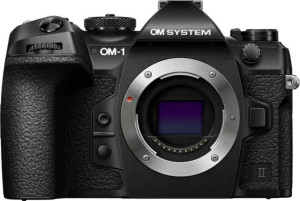
OM System OM-1 Mark II specifications and in-depth review

OM System OM-1 Mark II

Manufacturer: OM System

The OM System OM-1 Mark II is a Micro Four Thirds mirrorless camera built around a 20.4-megapixel back-illuminated stacked CMOS sensor and driven by the TruePic X processor. It offers a fully articulating touchscreen measuring 3″ with 1620k-dot resolution, a 100% coverage electronic viewfinder, and a weather-sealed body rated for operation between -10°C and 40°C. Dual card slots, USB Type-C connectivity, Wi-Fi 4, and Bluetooth 4.2 round out a well-equipped feature set for a camera of this type.

Autofocus relies on a phase-detection system with 1053 focus points, complemented by AF tracking and touch autofocus for both stills and video. Continuous mechanical shooting reaches 10 fps, while the electronic shutter pushes to 1/32000 s. The sensor-shift stabilization system carries a CIPA rating of 8.5 stops and can be combined with optical stabilization from compatible lenses. On the video side, the camera records 4K at up to 60 fps with a maximum bitrate of 202 Mbps, supports 24p cinema mode, slow-motion recording, and includes both a 3.5 mm microphone input and a headphone jack alongside a built-in stereo microphone array. Battery life is rated at 520 shots per charge from a 2280 mAh removable pack.

Pros
  • The 8.5-stop CIPA-rated sensor-shift stabilization, which can also be combined with lens-based stabilization, provides substantial support for handheld shooting in demanding conditions
  • Phase-detection autofocus across 1053 points with AF tracking and touch autofocus gives broad and flexible subject-acquisition coverage for both stills and video
  • Weather-sealed construction with an operating range down to -10°C makes the body suitable for use in cold or wet outdoor environments
  • 4K 60fps video recording at up to 202 Mbps, paired with continuous phase-detection AF, a 3.5 mm microphone input, and a headphone jack, covers a solid range of videography needs
  • Dual card slots combined with RAW shooting, lossless compressed RAW support, and pixel shift shot offer meaningful flexibility for file management and high-resolution capture
  • The flip-out touchscreen provides hands-free framing flexibility, while the 100% coverage EVF ensures accurate scene composition
Cons
  • The Micro Four Thirds sensor format results in a smaller imaging area compared to larger sensor formats, which can limit light-gathering at the native maximum of ISO 25600
  • No built-in GPS means location tagging requires an external solution or smartphone pairing
  • Wi-Fi is limited to Wi-Fi 4 (802.11n) with no NFC support, which may slow wireless file transfers compared to newer wireless standards
  • The standard hot shoe does not support advanced hot shoe accessories, limiting compatibility with certain dedicated flash or accessory systems
  • No built-in flash is included, requiring an external unit even for basic fill lighting situations
Who is this for?

This camera is well-suited to photographers and videographers who regularly work in unpredictable outdoor environments, thanks to its weather-sealed body rated down to -10°C and robust build. The 1053-point phase-detection autofocus system with AF tracking makes it a practical choice for wildlife, sports, and event shooters who need reliable subject acquisition under pressure. Those who shoot handheld in low-light or challenging conditions will also benefit significantly from the 8.5-stop CIPA-rated sensor-shift stabilization, especially when combined with optically stabilized lenses. Video creators handling run-and-gun or documentary-style work will find the 4K 60fps recording, continuous AF, dual audio connections, and flip-out touchscreen a useful combination for versatile, unscripted shooting situations.

Who is this NOT for?

Users who prioritize maximum low-light imaging performance may find the Micro Four Thirds sensor format limiting, as the physically smaller sensor area can affect light gathering, and the native ISO ceiling of 25600 is more constrained than what larger-format sensors can offer. The absence of built-in GPS makes this a poor fit for travel or landscape photographers who rely on automatic location tagging without carrying additional accessories. Those who depend on fast wireless file transfer workflows may also find the Wi-Fi 4 (802.11n) connection a bottleneck, particularly when handling large RAW files, and the lack of NFC removes the option for quick one-tap device pairing. Users looking for a highly compact or lightweight mirrorless body may similarly find the 599 g weight and overall volume less convenient for everyday carry or minimal-kit travel.

Design:

Type Mirrorless
viewfinder Electronic viewfinder (EVF)
is weather-sealed (splashproof)
screen resolution 1620k dots
Has a flip-out screen
viewfinder coverage 100%
screen size 3"
weight 599 g
has a touch screen
Has a hot shoe
volume 924.313616 cm³
is a system camera
has a flash
lowest potential operating temperature -10 °C
maximum operating temperature 40 °C
Has a tilting viewfinder
width 138.8 mm
height 91.6 mm
thickness 72.7 mm

The OM System OM-1 Mark II is a mirrorless system camera with a body measuring 138.8 × 91.6 × 72.7 mm and weighing 599 g. It features a weather-sealed construction rated for use in temperatures ranging from -10°C to 40°C, making it suitable for challenging outdoor conditions. The electronic viewfinder provides 100% scene coverage, while the 3″ touchscreen with 1620k-dot resolution supports a flip-out design for flexible framing from various angles. A hot shoe is present for attaching external flash units, though no built-in flash is included. The viewfinder is fixed and does not tilt.

Optics:

sensor size Micro Four Thirds
lens mount Micro Four Thirds
focus points 1053
megapixels (main camera) 20.4 MP
maximum ISO 25600 ISO
maximum expanded ISO 102400 ISO
has sensor shift stabilization
continuous shooting (mechanical) 10 fps
has AF tracking
Has phase-detection autofocus for photos
fastest shutter speed 0.000125 s
has manual focus
has touch autofocus
has manual shutter speed
has a built-in HDR mode
has a BSI sensor
has manual exposure
has a two-stage shutter
has a serial shot mode
has a CMOS sensor
has manual ISO
flash sync speed 0.004 s
has manual white balance
exposure time 60 s
Maximum electronic shutter speed 3.125E-5 s
has a stacked CMOS sensor
image stabilization rating (CIPA) 8.5 stops
can combine image stabilization

The OM System OM-1 Mark II uses a Micro Four Thirds back-illuminated stacked CMOS sensor resolving 20.4 MP, paired with a Micro Four Thirds lens mount. The 1053-point phase-detection autofocus system supports AF tracking, touch autofocus, and manual focus, giving shooters a broad range of focusing options for stills. Native sensitivity runs up to ISO 25600, with an expanded ceiling of ISO 102400, and full manual control over ISO, shutter speed, white balance, and exposure is available alongside a built-in HDR mode. Mechanical continuous shooting reaches 10 fps, while the electronic shutter tops out at 1/32000 s; the longest available exposure time is 60 s, and flash sync speed is 1/250 s. Sensor-shift image stabilization is rated at 8.5 stops (CIPA) and can be combined with compatible lens-based stabilization for greater effect. A two-stage shutter and burst mode are also supported.

Videography:

video recording (main camera) 2160 x 60 fps
Has phase-detection autofocus for videos
has continuous autofocus when recording movies
has a microphone input
has a socket for a 3.5 mm audio jack
has a stereo microphone
movie bitrate 202 Mbps
number of microphones 2
has a 24p cinema mode
supports slow-motion video recording

The OM System OM-1 Mark II records video at up to 4K (2160p) at 60 fps with a maximum bitrate of 202 Mbps, and also supports a 24p cinema mode as well as slow-motion video recording. Autofocus during video capture relies on phase-detection and operates continuously while recording, helping maintain subject focus without manual intervention. For audio, the camera includes a built-in dual stereo microphone array along with both a 3.5 mm microphone input and a 3.5 mm headphone jack, allowing for external microphone use and real-time audio monitoring.

Battery:

Battery life (CIPA) 520 shots
has a removable battery
has a rechargeable battery
has a battery level indicator
battery power 2280 mAh

The OM System OM-1 Mark II is powered by a removable and rechargeable 2280 mAh battery, with a CIPA-rated battery life of 520 shots per charge. A battery level indicator is built in, allowing users to monitor remaining power directly on the camera.

Features:

processor TruePic X
supports Wi-Fi
Has Bluetooth
Has dual card slots
has pixel shift shot
shoots raw
supports lossless compressed raw
Wi-Fi version Wi-Fi 4 (802.11n)
supports a remote smartphone
has an HDMI output
has GPS
has first-party support for live streaming
has an advanced hot shoe
has NFC
has an external memory slot
Has USB Type-C
Bluetooth version 4.2

The OM System OM-1 Mark II is built around the TruePic X processor and offers a well-rounded connectivity and storage feature set. It includes dual card slots alongside an external memory slot, USB Type-C, and an HDMI output for flexible file transfer and display options. Wireless connectivity is handled by Wi-Fi 4 (802.11n) and Bluetooth 4.2, with smartphone remote control supported; NFC, GPS, and first-party live streaming are not available. The camera shoots RAW files with support for lossless compressed RAW, and also offers pixel shift shot for high-resolution capture. The hot shoe present on the body is a standard type — an advanced hot shoe is not included.
Final Verdict

The OM System OM-1 Mark II is a capable and well-specified Micro Four Thirds mirrorless camera that clearly targets active, field-based photographers and video creators. Its combination of weather-sealed construction, 1053-point phase-detection autofocus, and 8.5-stop sensor-shift image stabilization forms a coherent core suited to demanding shooting scenarios — from wildlife and sports to handheld video work in variable conditions. While users with strong low-light demands or a need for built-in GPS and fast wireless connectivity may find certain limitations, those priorities are offset by a genuinely broad feature set that includes 4K 60fps video, dual card slots, lossless RAW support, and flexible audio connectivity. For photographers and videographers who value environmental resilience, stabilization, and autofocus reliability within the Micro Four Thirds system, the OM-1 Mark II represents a thoroughly thought-out option.

Popular Comparisons

OM System OM-1 Mark II
VS
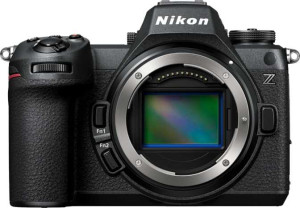
Nikon Z6 III
Nikon Z6 III
OM System OM-1 Mark II
VS
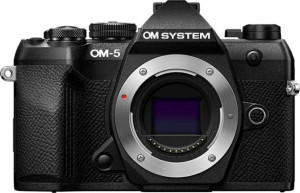
OM System OM-5 Mark II