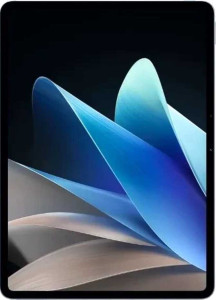
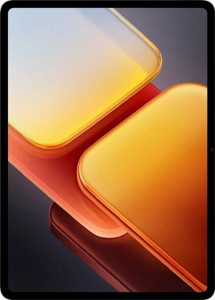
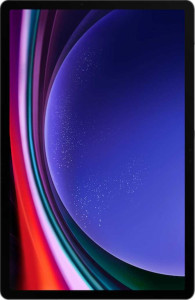
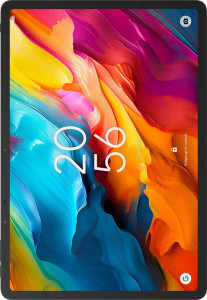
The Vivo Pad 3 Pro measures 289.6 mm in width, 198.3 mm in height, and 6.6 mm in thickness, with a total volume of 379.022688 cm³ and a weight of 679 g. The device carries no water resistance rating, and it does not include a stylus, a detachable keyboard, a backlit keyboard, or pen tilt sensitivity support.
The Vivo Pad 3 Pro features a 13-inch IPS LCD touchscreen with a resolution of 3096 x 2064 px and a pixel density of 286 ppi, paired with a 144Hz refresh rate and a 240Hz touch sampling rate for responsive on-screen interaction. The display has a contrast ratio of 1500:1 and supports HDR10, though HDR10+, Dolby Vision, branded damage-resistant glass, and sapphire glass are not present.
The Vivo Pad 3 Pro is powered by the Mediatek Dimensity 9300 chipset, built on a 4 nm process with 22.7 billion transistors and an 8-thread CPU configuration running at 1 x 3.25, 3 x 2.85, and 4 x 2 GHz, with a TDP of 7W. It supports 64-bit processing, big.LITTLE technology, Heterogeneous Multi-Processing, and integrated LTE. Graphics are handled by the Mali G720 Immortalis MP12 GPU clocked at 1300 MHz, with DirectX 12 and OpenCL 2 support. The device carries 16 GB of RAM running at 9600 MHz with a maximum memory bandwidth of 76.8 GB/s and a maximum supported memory amount of 24 GB, alongside 512 GB of internal storage with no external memory slot. Cache consists of 1 MB of L2 and 18 MB of L3, and benchmark results include a Geekbench 6 single-core score of 2239 and a multi-core score of 7538. The device runs Android 14.
The Vivo Pad 3 Pro has a 13 MP rear camera using a CMOS sensor without back-side illumination, with touch autofocus, continuous autofocus during video recording, and manual controls for ISO, focus, exposure, and white balance. A single LED flash and a video light are present, though there is no dual-tone flash, RGB flash, or optical zoom. Video recording is limited to 1080p at 30 fps, with no support for slow-motion, timelapse, HDR10 recording, Dolby Vision recording, optical image stabilization, burst mode, panorama, or 3D capture. The front-facing camera offers 8 MP without a flash, rounding out a camera setup that is functional but oriented toward basic shooting needs rather than advanced imaging.
The Vivo Pad 3 Pro includes stereo speakers for built-in audio output, but lacks a 3.5 mm headphone jack and a built-in radio. Wireless audio codec support is absent across the board, with no aptX, aptX HD, aptX Low Latency, aptX Adaptive, aptX Lossless, or LDAC available.
The Vivo Pad 3 Pro is equipped with an 11500 mAh rechargeable battery that supports fast charging, with a battery level indicator available for monitoring charge status. The battery is not removable, and wireless charging is not supported.
The Vivo Pad 3 Pro connects wirelessly via Wi-Fi 7 (with support for Wi-Fi 4, 5, and 6 as well), Bluetooth 5.4, and NFC, and uses a USB Type-C port with USB 3.2 for wired connectivity, with download speeds up to 10000 Mbit/s and upload speeds up to 7000 Mbit/s. The device does not include a cellular module, 5G support, GPS, Ethernet, HDMI output, or a fingerprint scanner, and neither a compass, barometer, iris scanner, nor infrared sensor is present. A gyroscope, accelerometer, Galileo support, offline voice recognition, voice commands, and device position tracking are available. On the software side, it supports split-screen multitasking, picture-in-picture, full-page screenshots, Live Text, a media picker, sharing intents, customizable notifications, widgets, dark mode, dynamic theming, theme customization, an extra dim mode, battery health check, multi-user accounts, a child lock, on-device machine learning, and app tracking blocking, while cross-site tracking blocking, Wi-Fi password sharing, focus modes, app offloading, Mail Privacy Protection, Quick Start, and direct OS vendor updates are not supported.
The Vivo Pad 3 Pro uses DDR5 memory.