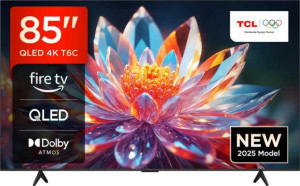
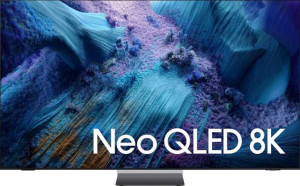
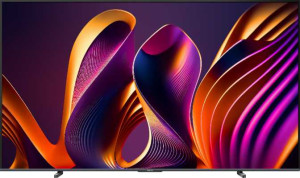
The Display section of the Xiaomi TV Max 100 centers on a 100-inch QLED LED-backlit LCD panel with a 4K UHD resolution of 3840 x 2160 pixels and a pixel density of 44 ppi, capable of reproducing approximately 1.07 billion colors through a 10-bit panel. The screen operates at a 144Hz refresh rate with a 4ms response time and supports AMD FreeSync and AMD FreeSync Premium adaptive synchronization. HDR coverage is comprehensive, encompassing HDR10, HDR10+, Dolby Vision, and HLG, while both horizontal and vertical viewing angles reach 178 degrees. Additional display features include an anti-reflection coating and an ambient light sensor that adjusts output based on surrounding conditions.
The Xiaomi TV Max 100 offers a well-rounded connectivity setup built around three HDMI 2.1 ports, two USB ports, and a single RJ45 Ethernet port for wired networking. Wireless options cover Wi-Fi 4, Wi-Fi 5, and Wi-Fi 6, alongside Bluetooth 5.2 and Miracast support for screen mirroring. A 3.5mm headset jack is included for direct audio output, while broadcast reception spans DVB-C, DVB-S, DVB-S2, DVB-T, and DVB-T2 standards. The television does not include a VGA connector, a DVI connector, or an external memory slot.
The Xiaomi TV Max 100 houses stereo speakers with a combined output of 2 x 15W and supports a broad range of audio formats, including Dolby Atmos, Dolby Audio, DTS:X, and DTS-HD High Resolution Audio. Digital Out is available for routing audio to external equipment, and the set includes both HDMI ARC and HDMI eARC for simplified connection to compatible soundbars or receivers. The television does not feature a built-in subwoofer or SRS TheaterSound HD.
The Xiaomi TV Max 100 measures 2229 mm wide, 1280 mm tall, and 96 mm thick, with a total volume of approximately 273,899.52 cm³ and a weight of 59,600 g. The unit supports VESA mounting for wall installation and is rated for operating temperatures between 0 °C and 40 °C.
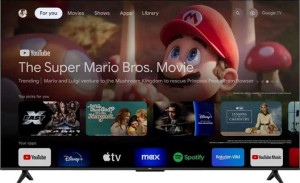
The Xiaomi TV Max 100 runs a built-in smart TV platform with Chromecast, AirPlay, and a web browser included, and it is compatible with both Google Assistant and Amazon Alexa for voice control. Smartphone remote control is supported, and voice commands can be issued directly without a separate device, though the included remote control is not rechargeable. Additional user-facing features include USB recording, a sleep timer, and a child lock. Operating power consumption is rated at 450W, with standby consumption dropping to 0.5W.