OM System OM-5 Mark II specifications and in-depth review

OM System OM-5 Mark II

Manufacturer: OM System

The OM System OM-5 Mark II is a compact mirrorless camera built around the Micro Four Thirds system, offering a thoughtful balance of portability and capability in a body weighing just 418 g. It features a 3″ fully articulating touchscreen alongside a high-resolution electronic viewfinder with 2360k dots and 100% coverage, making it well suited for a range of shooting orientations and conditions. The camera is rated IP53 for weather and splash resistance and can operate in temperatures as low as -10 °C.

Imaging is handled by a 20.4 MP back-illuminated sensor paired with a TruePic IX processor, with a native maximum ISO of 6400 expandable to 25600. The in-body sensor-shift stabilization carries a CIPA rating of 7.5 stops and supports combined stabilization when used with compatible lenses. Continuous mechanical shooting reaches 10 fps, and the camera records 4K video at up to 30 fps with continuous autofocus, a built-in stereo microphone, and a microphone input for external audio. Connectivity includes Wi-Fi 4, Bluetooth 4.2, USB Type-C, HDMI output, and an external memory card slot, while features such as pixel shift shooting and RAW capture are also supported.

Pros
  • The 7.5-stop CIPA-rated sensor-shift stabilization, with support for combined stabilization, offers substantial compensation for camera movement during handheld shooting
  • A flip-out touchscreen paired with 100% EVF coverage gives flexible framing options across a wide range of shooting angles
  • IP53-rated weather sealing and a tested operating range down to -10°C make the body usable in rain and cold conditions
  • 4K video recording at 30 fps with continuous autofocus, a built-in stereo microphone, and a dedicated microphone input covers a solid range of video capture needs
  • Comprehensive manual control over shutter speed, ISO, white balance, and exposure is fully supported, alongside RAW shooting and pixel shift capture
  • At 418 g and a compact 125.3 x 85.2 x 52 mm footprint, the body is relatively light and easy to carry
Cons
  • Battery life rated at 310 shots per charge is on the lower end for an all-day or intensive shooting session
  • Only a single memory card slot means there is no in-camera redundancy or simultaneous backup during recording
  • No built-in GPS, so location data cannot be embedded in image metadata without an external device
  • The absence of a 3.5 mm headset jack limits audio monitoring options directly from the camera body
  • Wi-Fi is limited to Wi-Fi 4 (802.11n), and NFC is not supported, which may slow wireless file transfer compared to newer standards
Who is this for?

This camera is a strong fit for photographers who shoot in unpredictable or outdoor conditions, thanks to its IP53 weather sealing and -10°C operating range, which allow for continued use in rain, dust, or cold. The 7.5-stop sensor-shift stabilization with combined stabilization support makes it well suited to handheld shooting in low-light or challenging situations where a tripod is impractical. Travel and everyday shooters who prioritize portability will also appreciate the compact, lightweight body, while the flip-out touchscreen and full manual controls cater to those who need flexibility in both composition and exposure settings. The 4K video capability with continuous autofocus and external microphone input further makes it a reasonable choice for content creators handling both stills and video.

Who is this NOT for?

Users who rely on extended, all-day shooting sessions may find the 310-shot CIPA battery rating limiting, particularly during travel or event coverage where recharging opportunities are scarce. The camera is also less suited to professionals who require dual memory card slots for redundant backup, such as wedding or commercial photographers where losing footage or images is not an option. Those who need precise in-camera GPS tagging for field work or geotagged documentation will find the absence of built-in GPS a practical drawback. Additionally, videographers who monitor audio through headphones directly from the camera will be hindered by the lack of a 3.5 mm headset jack.

Design:

Type Mirrorless
viewfinder Electronic viewfinder (EVF)
is weather-sealed (splashproof)
screen resolution 1037k dots
EVF resolution 2360k dots
Has a flip-out screen
viewfinder coverage 100%
screen size 3"
weight 418 g
has a touch screen
Has a hot shoe
volume 555.12912 cm³
is a system camera
has a flash
lowest potential operating temperature -10 °C
maximum operating temperature 40 °C
Has a tilting viewfinder
width 125.3 mm
height 85.2 mm
thickness 52 mm

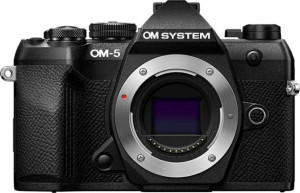
The OM System OM-5 Mark II is a mirrorless system camera with a compact physical footprint, measuring 125.3 mm wide, 85.2 mm tall, and 52 mm thick at a weight of 418 g. It features a flip-out 3″ touchscreen with 1037k dots of resolution alongside an electronic viewfinder rated at 2360k dots with 100% coverage, giving flexible framing options across different shooting positions. The body includes a hot shoe for external flash accessories — there is no built-in flash — and carries weather sealing rated for splash protection, with an operating temperature range spanning -10 °C to 40 °C. A tilting viewfinder is not present on this model.

Optics:

sensor size Micro Four Thirds
lens mount Micro Four Thirds
focus points 121
megapixels (main camera) 20.4 MP
maximum ISO 6400 ISO
maximum expanded ISO 25600 ISO
has sensor shift stabilization
continuous shooting (mechanical) 10 fps
has AF tracking
fastest shutter speed 0.000125 s
has manual focus
has touch autofocus
has manual shutter speed
has a built-in HDR mode
has a BSI sensor
has manual exposure
has a two-stage shutter
has a serial shot mode
has a CMOS sensor
has manual ISO
flash sync speed 0.004 s
has manual white balance
exposure time 60 s
Maximum electronic shutter speed 3.125E-5 s
image stabilization rating (CIPA) 7.5 stops
can combine image stabilization

The OM-5 Mark II uses a Micro Four Thirds back-illuminated sensor — notably not a standard CMOS — delivering 20.4 MP of resolution with a native maximum ISO of 6400, expandable to 25600. It accepts Micro Four Thirds lenses and offers 121 focus points with AF tracking, touch autofocus, and manual focus all supported. Sensor-shift image stabilization is rated at 7.5 stops (CIPA) and can be combined with compatible lens-based stabilization for additional effect. The mechanical shutter reaches a fastest speed of 0.000125 s, while the electronic shutter tops out at 3.125E-5 s, and flash sync is available at 0.004 s. Continuous mechanical shooting runs at 10 fps with burst mode support, and exposure times extend up to 60 s. Manual control is comprehensive, covering shutter speed, ISO, exposure, and white balance, and a built-in HDR mode is also available.

Videography:

video recording (main camera) 2160 x 30 fps
has continuous autofocus when recording movies
has a microphone input
has a socket for a 3.5 mm audio jack
has a stereo microphone
Has timelapse function
number of microphones 2
has a 24p cinema mode

The OM-5 Mark II records video at 2160p (4K) up to 30 fps and includes a 24p cinema mode for those who prefer a film-like frame rate. Continuous autofocus remains active during recording, and audio is handled by a built-in dual stereo microphone setup; a dedicated microphone input is also present for connecting an external mic, though there is no 3.5 mm headset jack. Timelapse recording is supported as well.

Battery:

Battery life (CIPA) 310 shots
has a removable battery
has a rechargeable battery
has a battery level indicator
battery power 1210 mAh

The OM-5 Mark II is powered by a removable, rechargeable battery with a capacity of 1210 mAh, rated for approximately 310 shots per charge according to CIPA standards. A battery level indicator is built in, allowing users to monitor remaining power during use.

Features:

processor TruePic IX
supports Wi-Fi
Has Bluetooth
Has dual card slots
has pixel shift shot
shoots raw
Wi-Fi version Wi-Fi 4 (802.11n)
supports a remote smartphone
has an HDMI output
has GPS
has first-party support for live streaming
has an advanced hot shoe
has NFC
has an external memory slot
Has USB Type-C
Bluetooth version 4.2

The OM-5 Mark II runs on a TruePic IX processor and supports both RAW capture and pixel shift shooting. Wireless connectivity covers Wi-Fi 4 (802.11n) and Bluetooth 4.2, with smartphone remote control available; NFC and GPS are not included, nor is first-party live streaming support. Physical connectivity includes a USB Type-C port, HDMI output, and an external memory card slot, though the camera has only a single card slot. The hot shoe present on the body is a standard type — an advanced hot shoe is not featured — and there is no advanced hotshoe functionality.

Miscellaneous:

Ingress Protection (IP) rating IP53

The OM-5 Mark II carries an IP53 Ingress Protection rating, indicating a degree of resistance to dust and water splashing.
Final Verdict

The OM System OM-5 Mark II is a well-rounded Micro Four Thirds mirrorless camera that makes a compelling case for shooters who value portability without sacrificing environmental resilience or imaging control. Its 7.5-stop sensor-shift stabilization combined with IP53 weather sealing sets it apart as a capable tool for outdoor and travel use, and the comprehensive manual controls alongside 4K video recording with continuous autofocus give it genuine versatility across both stills and video. Battery life and the absence of dual card slots are real-world limitations worth weighing for demanding use cases, but for photographers and hybrid shooters seeking a compact, weather-resistant body with strong stabilization and a mature Micro Four Thirds lens ecosystem, the OM-5 Mark II represents a focused and practical choice.

Popular Comparisons

OM System OM-5 Mark II
VS
OM System OM-3
OM System OM-3
OM System OM-5 Mark II
VS
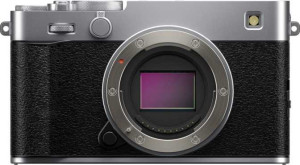
Fujifilm X-E5
Fujifilm X-E5
OM System OM-5 Mark II
VS
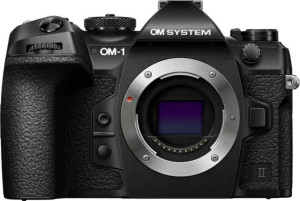
OM System OM-1 Mark II
OM System OM-5 Mark II
VS
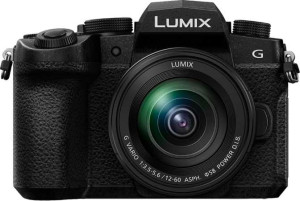
Panasonic Lumix DC-G97 + Panasonic Lumix G Vario 12-60mm F3.5-5.6 ASPH Power OIS