Panasonic Lumix DC-S1 IIE specifications and in-depth review

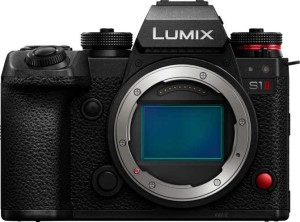
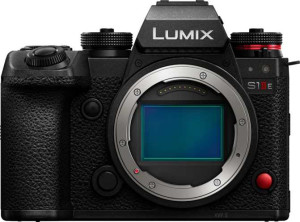
Panasonic Lumix DC-S1 IIE

Manufacturer: Panasonic

The Panasonic Lumix DC-S1 IIE is a full-frame mirrorless camera built around a 24.1-megapixel BSI CMOS sensor and a Leica L lens mount, positioning it as a versatile option for both stills and video work. It features a weather-sealed body with a 3.2″ flip-out touch screen, a 100% coverage electronic viewfinder, and a hot shoe for external flash units, all packed into a chassis weighing 795 g. In-body sensor-shift stabilization is rated at 8 stops under CIPA standards, with support for combined stabilization when paired with compatible lenses.

On the imaging side, the camera offers 779 phase-detection autofocus points with AF tracking, continuous mechanical shooting at 10 fps, and a native ISO range up to 51200 that expands to 204800. For video, it records up to 2160p at 60 fps with a maximum bitrate of 1900 Mbps, phase-detection AF during recording, and a 24p cinema mode, complemented by a 3.5 mm microphone input, stereo microphone, and headphone jack. Connectivity includes Wi-Fi 5, Bluetooth 5, USB 3.2 Type-C, HDMI output, and dual memory card slots, while the removable 2400 mAh battery is rated for approximately 380 shots per charge.

Pros
  • 8-stop sensor-shift image stabilization with support for combined stabilization provides significant flexibility in handheld shooting conditions
  • The flip-out 3.2-inch touch screen with 1840k dots resolution offers versatile framing options from various angles
  • Video recording reaches up to 2160p at 60 fps with a 1900 Mbps bitrate, supported by phase-detection autofocus and continuous AF during recording
  • 779 phase-detection autofocus points with AF tracking and touch autofocus enable responsive and precise subject acquisition
  • Dual card slots and support for both raw and lossless compressed raw formats offer practical flexibility for file management
  • Weather-sealed body with an operational temperature range down to -10 °C makes it usable in challenging outdoor conditions
Cons
  • Battery life rated at only 380 shots per charge (CIPA) is relatively modest given the camera's size and weight of 795 g
  • No built-in GPS or NFC, limiting location tagging and one-tap wireless pairing options
  • Pixel shift shot is not supported, removing a resolution-enhancement option available on some competing system cameras in the same category
  • The body thickness of 91.8 mm results in a bulky overall volume of approximately 1261 cm³, which may be less convenient for travel or compact kit setups
Who is this for?

This camera is well suited to photographers and videographers who need a versatile, weather-sealed system camera capable of handling demanding conditions. The 8-stop in-body image stabilization combined with 779 phase-detection autofocus points and AF tracking makes it a strong choice for event, wildlife, or documentary shooters who frequently work handheld or follow moving subjects. Those with a focus on high-quality video work will also find it capable, given its 2160p 60 fps recording at 1900 Mbps with continuous AF, a built-in stereo microphone, 3.5 mm audio input, and 24p cinema mode — a combination that suits run-and-gun videographers and hybrid shooters alike.

Who is this NOT for?

Users who prioritize portability will find the 795 g weight and 91.8 mm body thickness less than ideal for travel-light or everyday carry scenarios. The 380-shot CIPA battery rating makes this a poor fit for extended shoots in remote locations where charging opportunities are limited, particularly for those shooting long video sessions at high bitrates. Additionally, photographers who rely on location tagging or quick wireless device pairing will be constrained by the absence of built-in GPS and NFC, and those seeking a pixel-shift high-resolution mode for detailed studio or landscape work will find that feature unavailable.

Design:

Type Mirrorless
viewfinder Electronic viewfinder (EVF)
is weather-sealed (splashproof)
screen resolution 1840k dots
Has a flip-out screen
viewfinder coverage 100%
screen size 3.2"
weight 795 g
has a touch screen
Has a hot shoe
volume 1261.230102 cm³
is a system camera
has a flash
lowest potential operating temperature -10 °C
maximum operating temperature 40 °C
Has a tilting viewfinder
width 134.3 mm
height 102.3 mm
thickness 91.8 mm

The Panasonic Lumix DC-S1 IIE is a mirrorless system camera built around a weather-sealed body that operates in temperatures ranging from -10 °C to 40 °C, making it suitable for varied shooting environments. It measures 134.3 mm wide, 102.3 mm tall, and 91.8 mm thick, with a total volume of approximately 1261.23 cm³ and a weight of 795 g. The camera features a 3.2″ flip-out touch screen with a resolution of 1840k dots, offering flexible framing from a range of angles. For framing through the viewfinder, it includes an electronic viewfinder (EVF) with 100% coverage, though it does not offer a tilting viewfinder mechanism. A hot shoe is present for mounting external flash units, while a built-in flash is not included.

Optics:

sensor size Full frame
lens mount Leica L
focus points 779
megapixels (main camera) 24.1 MP
maximum ISO 51200 ISO
maximum expanded ISO 204800 ISO
has sensor shift stabilization
continuous shooting (mechanical) 10 fps
has AF tracking
Has phase-detection autofocus for photos
fastest shutter speed 6.25E-5 s
has manual focus
has touch autofocus
has manual shutter speed
has a BSI sensor
has manual exposure
has a two-stage shutter
has a serial shot mode
has a CMOS sensor
has manual ISO
flash sync speed 0.004 s
has manual white balance
exposure time 60 s
Maximum electronic shutter speed 6.25E-5 s
has a stacked CMOS sensor
image stabilization rating (CIPA) 8 stops
can combine image stabilization

The camera uses a full-frame BSI CMOS sensor — though not a stacked CMOS variant — delivering a resolution of 24.1 MP and mounted via a Leica L lens mount. Autofocus is handled by a phase-detection system covering 779 focus points, with AF tracking and touch autofocus both supported. Sensor-shift image stabilization is rated at 8 stops (CIPA) and can be combined with compatible lens-based stabilization for enhanced results. The native ISO range reaches up to 51200, expandable to 204800, while exposure times extend to 60 seconds on the long end and down to 6.25E-5 s at the fastest mechanical and electronic shutter speeds. Continuous mechanical shooting is available at 10 fps with burst mode support, and a two-stage shutter is included. The flash sync speed is 0.004 s. Manual controls cover focus, shutter speed, exposure, ISO, and white balance, giving full hands-on control over the imaging process.

Videography:

video recording (main camera) 2160 x 60 fps
Has phase-detection autofocus for videos
has continuous autofocus when recording movies
has a microphone input
has a socket for a 3.5 mm audio jack
has a stereo microphone
Has timelapse function
movie bitrate 1900 Mbps
number of microphones 2
has a 24p cinema mode
supports slow-motion video recording

The camera records video at up to 2160p at 60 fps with a maximum bitrate of 1900 Mbps, and includes a 24p cinema mode alongside slow-motion video recording support. Phase-detection autofocus is available during video capture, with continuous autofocus also active while recording. For audio, the camera is equipped with a built-in stereo microphone using two microphones, a dedicated microphone input, and a 3.5 mm headphone jack for monitoring. Timelapse recording is also supported, rounding out a broad set of video-oriented features.

Battery:

Battery life (CIPA) 380 shots
has a removable battery
has a rechargeable battery
has a battery level indicator
battery power 2400 mAh

The camera is powered by a removable, rechargeable battery with a capacity of 2400 mAh, rated for approximately 380 shots per charge under CIPA standards. A battery level indicator is built in, allowing users to monitor remaining power during use.

Features:

supports Wi-Fi
Has Bluetooth
Has dual card slots
has pixel shift shot
shoots raw
supports lossless compressed raw
Wi-Fi version Wi-Fi 5 (802.11ac), Wi-Fi 4 (802.11n)
supports a remote smartphone
has an HDMI output
has GPS
has NFC
has an external memory slot
Has USB Type-C
Bluetooth version 5

The camera supports Wi-Fi 5 (802.11ac) and Wi-Fi 4 (802.11n) for wireless connectivity, along with Bluetooth 5, and allows remote control via a smartphone. It includes an HDMI output, a USB Type-C port, dual card slots, and an external memory slot for flexible storage and connectivity options. Raw shooting is supported, including lossless compressed raw capture, while pixel shift shot is not available. NFC and GPS are absent from the feature set.

Miscellaneous:

USB version 3.2

The camera's wired connection is handled through a USB 3.2 interface.
Final Verdict

The Panasonic Lumix DC-S1 IIE is a full-frame mirrorless camera that makes a clear case for itself as a hybrid imaging tool, balancing capable stills performance with a serious video feature set. Its 8-stop sensor-shift stabilization, 779-point phase-detection autofocus, and 1900 Mbps 4K 60fps video recording form the core of a well-rounded specification sheet that addresses the practical demands of both photographers and videographers working in varied conditions. Some compromises are present — the battery endurance and body dimensions will give pause to those prioritizing portability or all-day untethered use — but for hybrid shooters who need weather resilience, reliable autofocus, and high-bitrate video in a single system camera body, the Lumix DC-S1 IIE presents a coherent and technically grounded option within the Leica L mount ecosystem.

Popular Comparisons

Panasonic Lumix DC-S1 IIE
VS
Panasonic Lumix DC-S1 II
Panasonic Lumix DC-S1 IIE
VS
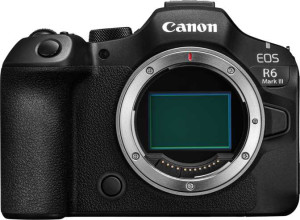
Canon EOS R6 Mark III
Panasonic Lumix DC-S1 IIE
VS
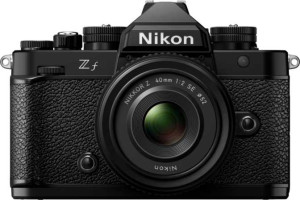
Nikon Zf + Nikon Nikkor Z 40mm f/2 (SE)